Get Full Government Meeting Transcripts, Videos, & Alerts Forever!
Get email alerts on the Reparations Disbursements topic
No spam. Unsubscribe anytime.
Reparations committee approves plan to distribute 46 direct‑descendant awards in 2025
Summary
The City of Evanston Reparations Committee accepted a distribution plan to send monthly payments to 46 direct descendants in 2025, to be funded by municipal cannabis tax revenue and $1 million from the real‑estate transfer tax.
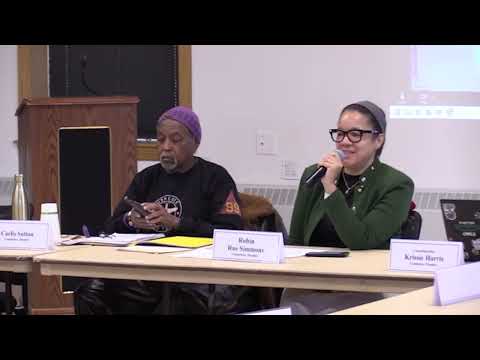
The City of Evanston Reparations Committee on Feb. 6 accepted a plan to distribute payments to 46 direct descendants in 2025.
Committee members said the distributions will cover applicants numbered 81 through 126 and will be funded by revenue from the municipal retail cannabis tax together with a $1,000,000 allocation from the city’s real‑estate transfer tax. Disbursements are scheduled to be made monthly as funds become available; the committee expects to complete all 46 distributions by July 2025.
Why it matters: the committee’s direct‑benefit program is the city’s principal reparations payment stream for qualified descendants. The funding sources cited — a municipal cannabis sales tax and a transfer‑tax allocation — are the same revenue lines the committee has used in prior disbursement cycles.
Meeting action: the committee placed the distribution report on file after a motion to accept the report and a voice vote in favor. The meeting record shows no recorded opposing votes.
Committee staff noted logistical details for implementation, including monthly scheduling tied to incoming revenues and continued verification of recipient information. Committee members asked for follow‑up on outstanding eligibility documentation and for staff to return with any changes to the schedule if fund flows differ from projections.
Next steps: staff will proceed with monthly disbursements as funds are received and will report progress back to the committee at future meetings. The committee also discussed, but did not decide at this meeting, whether additional unrestricted donations could be redirected to increase direct disbursements; staff counsel said they would research any legal or procedural limits before bringing a formal recommendation to the committee.