Get Full Government Meeting Transcripts, Videos, & Alerts Forever!
Get email alerts on the Corrections And Budget topic
No spam. Unsubscribe anytime.
Resident questions use of correctional facility for ICE detainees; commissioners explain contract and staffing implications
Summary
A resident questioned the county’s use of its large correctional facility to house ICE detainees and the associated budget impacts; commissioners said existing guaranteed-rate contracts and staffing requirements shape county budgeting and operations.
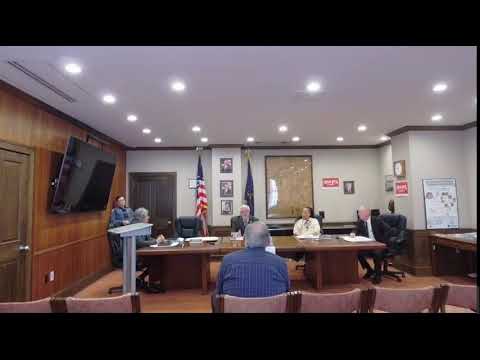
During public comment on Feb. 5 a resident raised questions about the Pike County correctional facility’s size, the number of ICE detainees being housed there and whether the county is recovering costs from the federal government for those incarcerations.
The commissioners responded that the facility — built with an expectation of multi-county participation in the early 1990s — has historically housed federal detainees under contract and that current contracts include guaranteed-rate provisions. In the meeting the commission said the county’s contract with Immigration and Customs Enforcement (ICE) provides a guaranteed daily rate; the county budget models that revenue and retains staffing levels required by the facility’s operating model. Commissioners said the county currently staffs the jail with a contingent (referred to on the record as roughly 87 positions) that the county must fund and maintain regardless of short-term changes in inmate census.
The commissioners said average local inmate counts fluctuate; the record shows there can be periods with few local inmates and periods with higher counts. They said the county budgets for the facility assuming contracted occupancy, noting that the current contract structure helps offset fixed staffing costs and that other uses for the physical facility have been considered but require extensive additional planning and capital investment.
Commissioners noted past efforts to explore alternative uses, shared that Wayne County previously declined to pursue a joint arrangement, and said converting the facility to another use (for example, health care or senior care) would involve substantial capital and operational considerations. The board emphasized it will continue to operate under existing contracts while exploring options and that the warden is responsible for day-to-day inmate care and compliance with applicable standards.
No formal vote or change to the facility’s contract was recorded at the meeting; discussion was responsive to public comment and informational.