Get Full Government Meeting Transcripts, Videos, & Alerts Forever!
Get email alerts on the Fiduciary Duty Prenup topic
No spam. Unsubscribe anytime.
Appeals court reviews claims that trustee-father-in-law misled groom on prenup and timing of harm
Summary
In 24P759 the court examined whether William Cannell (plaintiff) had actual knowledge of harm when he married without a prenuptial agreement after consulting trustee and father-in-law Robert J. Morrissey, and whether the complaint states timely claims for breach of fiduciary duty, fraud and gross negligence.
Michael Marcucci, counsel for William Cannell, told the panel the trial court mischaracterized Cannell's complaint by treating the plaintiff's post‑marriage injury as if it had accrued immediately. Marcucci said the complaint alleges Morrissey told Cannell he did not need a prenuptial agreement to protect certain family trusts; Cannell relied on that assurance and later incurred legal fees in related Connecticut divorce litigation.
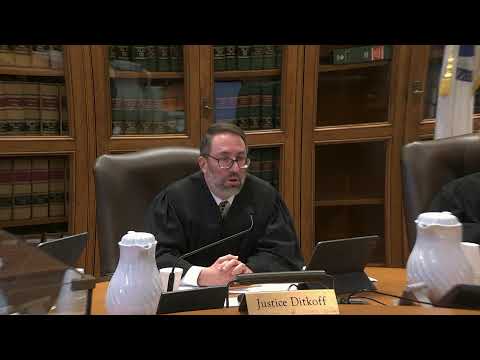
Justice Hand asked whether, under the complaint, Cannell's personal attorney had previously recommended a prenup and whether Cannell effectively credited Morrissey's advice instead. Marcucci said the complaint alleges the attorney's recommendation preceded meetings with Morrissey and that Cannell reasonably relied on the trustee's assurance.
Jennifer Grace Miller, counsel for Robert J. Morrissey, said Cannell had actual knowledge of the relevant facts when he married in February 2006: that Morrissey was both his future father‑in‑law and a trustee and that Cannell's lawyer had recommended a prenuptial agreement. Miller argued those facts meant the statute of limitations accrued then and that a claim could have been filed immediately after the wedding.
Marcucci countered that, absent actual exposure of the trusts in divorce proceedings, Cannell had not yet suffered the legally cognizable harm that accrues a fiduciary‑duty claim; he cited Massachusetts precedent requiring knowledge of harm, not just knowledge of a conflict. He also noted the Connecticut divorce remains pending and that trustees had been dismissed from that proceeding for lack of personal jurisdiction, leaving open whether the trusts will be reached.
The panel questioned both sides on causation and damages and asked whether declaratory relief would have been an appropriate earlier step; counsel disagreed about whether that remedy would have been available or useful at the time. The court concluded argument and thanked counsel.