Get Full Government Meeting Transcripts, Videos, & Alerts Forever!
Get email alerts on the Juvenile Court topic
No spam. Unsubscribe anytime.
Appeals court reviews juvenile-court findings in DCF case; counsel debate whether judge addressed post-incident reports
Summary
Appellate argument focused on whether the juvenile-court judge made sufficiently specific written findings and whether post-incident family-assessment and progress reports altered the record on a mother's ability to safely parent her child.
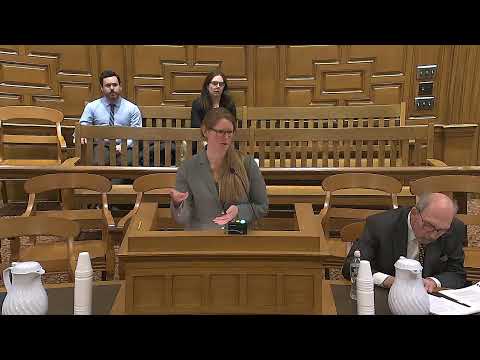
The Massachusetts Appeals Court heard argument in an appeal by a mother whose child was placed with the Department of Children and Families (DCF). Appellate counsel argued the juvenile-court judge failed to make the detailed findings that the Supreme Judicial Court requires, and therefore the appeals court should not give the usual deference to the trial court’s factfinding.
Attorney Daniel Katz told the panel that the juvenile court must make "specific and detailed" findings that show the judge considered both positive and negative evidence. Katz said three post-September-2022 documents — a family assessment (July 2023), a progress report (February 2023), and a progress report (August 2023) — were not discussed in the court’s written findings. He argued the reports contained important positive assessments (noting compliance with six of seven action-plan tasks in some reports and references to the mother’s expressed empathy and insight) and therefore were "troublesome facts" the judge should have addressed.
Counsel for DCF, Attorney Claire Gilchrist, urged the panel to affirm the juvenile-court order. She said the judge explicitly credited positive steps but also found clear and convincing evidence that the mother remained unable to meet the specialized needs of the child, including a history of self-harm and suicide statements by the child, hospitalizations, and an incident in which the mother supplied alcohol and left the child unattended. "There was clear and convincing evidence here that mother was unable to meet the specialized needs of her child," Gilchrist told the court.
Child counsel Scott Anderson also urged affirmation, stressing credibility determinations and that the judge cited and incorporated dozens of exhibits. The parties and judges discussed the scope of appellate deference under Supreme Judicial Court precedent and whether the judge’s written findinds sufficiently addressed items the appellant regards as positive evidence.
The court heard argument about whether the judge’s failure to mention specific documents requires the appeals court to apply reduced deference to findings — an issue with potential consequences for appellate review of contested juvenile placements. The parties agreed the order did not terminate parental rights; rather, the dispute concerns reunification, the scope of the court’s factfinding, and whether the record supports the judge’s conclusion that the child remains at risk without placement outside the home. The matter was submitted for decision.