Get Full Government Meeting Transcripts, Videos, & Alerts Forever!
Get email alerts on the Epinephrine Access Anaphylaxis topic
No spam. Unsubscribe anytime.
Nebraska bill would standardize school and childcare anaphylaxis policies, cap EpiPen copays at $60
Summary
LB457 would require statewide model anaphylaxis policies for schools and licensed childcare programs and cap out‑of‑pocket costs at $60 for a two‑pack of epinephrine auto‑injectors for covered individuals.
Note: shortSummary truncated in schema field accidentally in drafting; full article follows.
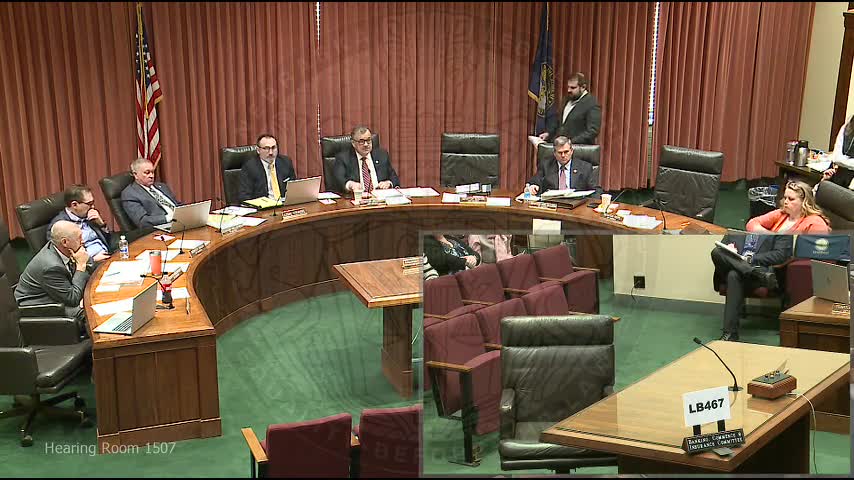
Lawmakers heard testimony on LB457, sponsored by Senator Elliot Bostar, which would require the Department of Health and Human Services (DHHS), in consultation with the State Department of Education, to develop model anaphylaxis policies for school districts and licensed childcare programs and cap patient out‑of‑pocket costs for epinephrine auto‑injectors at $60 for a two‑pack for covered individuals.
"Anaphylaxis is a severe and potentially life threatening allergic reaction that requires immediate medical intervention," Senator Bostar said, describing the proposal to standardize prevention, response and communication for anaphylaxis in schools and childcare settings.
Physicians and childcare providers testified about the clinical urgency and caregiving complexity. "Without immediate access to epinephrine, anaphylaxis can be fatal," Dr. Hana Niebuhr, a pediatric allergist, said, urging the committee to pass LB457 so schools and childcare centers will have consistent, medically sound guidance. Parents described the financial strain of replacing auto‑injectors annually and carrying multiple sets for school and home. "Because of this, we have to carry 2 EpiPens with us everywhere we go," said Katherine White, mother of a child with peanut and tree‑nut allergies.
Supporters pointed to steep retail costs; testimony referenced branded and generic price ranges from several hundred to several thousand dollars for a year's supply, and stressed shelf life of roughly one year for most auto‑injectors. Senator Bostar and witnesses compared the situation to prior state and federal consumer protections for essential medications and highlighted the human-safety risk when families cannot afford replacements.
Insurance representatives and the Nebraska Insurance Federation testified in a neutral/qualified manner and noted legal and tax implications for health‑savings accounts (HSAs) and high‑deductible health plans; the federation worked with the sponsor on language intended to preserve HSA eligibility. Witnesses also said that many plans already cap or waive copays for auto‑injectors, and urged careful drafting to avoid unintended consequences for HSA-qualified plans.
The transcript records extensive proponent testimony and no formal committee action during the recorded portion. The bill would not require the state to purchase or stock epinephrine; rather, it would require model policies for covered programs and cap covered individual cost-sharing for EpiPen two‑packs at $60 for applicable plans and enrollees.
Ending note: The committee received emotional and detailed firsthand testimony from parents, physicians, and childcare directors asserting that cost and lack of standard policy can create real safety risks for children with severe allergies.