Get Full Government Meeting Transcripts, Videos, & Alerts Forever!
Get email alerts on the Special Education topic
No spam. Unsubscribe anytime.
DESE warns of special-education funding shortfalls: high-needs fund and First Steps face gaps
Summary
DESE told the House Budget Committee that mandated early-childhood special education, IDEA high-needs cases, and the First Steps birth-to-3 program face material funding shortfalls in FY26; the department requested NDIs totaling more than $50 million to cover FY24 carryovers, contract increases and lost Medicaid revenue.
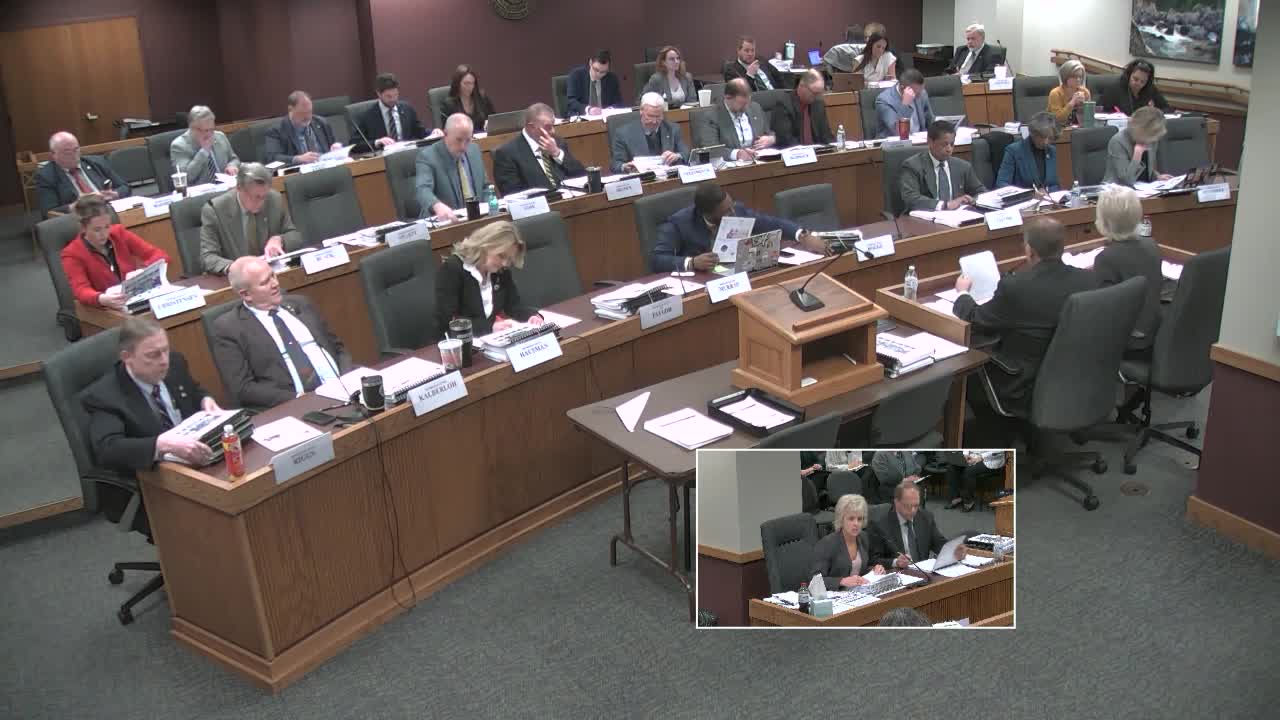
Department of Elementary and Secondary Education staff told the House Budget Committee on Feb. 3 that several special-education and early-intervention lines face funding pressure heading into FY26.
Early-childhood special education: DESE reported an FY24 shortfall in the early-childhood special education (ECSE) allocation, which reimburses districts for services to children ages 3—. Reimbursements are paid the year after services are delivered; DESE said a carryover practice and timing differences produce year-to-year variability. For FY26 the department asked for a $20.7 million new decision item to address the FY24 shortfall (DESE said it carried $2.7 million into FY25 and paid those early in the fiscal year). DESE told the committee the ECSE line is mandatory and that federal funds for that program are limited.
High-needs fund (IDEA): DESE also requested $14.7 million for the high-needs fund (the state-level safety valve for exceptionally costly IDEA students). The department said the federal special-education grant llocations include some capacity that historically could be used for high-needs cases but that those federal pools have largely been exhausted; the department said it has maximized the federal set-asides and needs GR authority to cover high-cost cases. DESE told lawmakers the high-needs program routinely covers individual student costs that can run into the tens or hundreds of thousands of dollars and that the department expects continuing growth in claims as services expand.
First Steps (birth-to-3): DESE said First Steps needs $17.9 million in additional authority for FY26. Reasons include a $4.7 million FY24 shortfall, increased Single-Point-of-Entry contract costs ($8.6M) and the expected loss of about $3 million in Medicaid revenue because providers must now enroll as individual Medicaid providers and obtain NPIs. DESE officials said the department is working with providers and with the Missouri Medicaid (MoHealthNet) program on provider enrollment requirements.
Why it matters: Special education and early intervention are statutory obligations and serve vulnerable populations; local districts and families rely on timely reimbursements. The committee asked DESE for supporting documents: invoices and district-level request detail on the ECSE and high-needs items and a clearer explanation of the First Steps Medicaid enrollment change and how the department will mitigate provider attrition.
Ending: DESE agreed to provide the committee district-by-district detail for the ECSE reimbursements, high-needs claims, and a narrative on First Steps' provider enrollment transitions to Medicaid billing.