Get Full Government Meeting Transcripts, Videos, & Alerts Forever!
Get email alerts on the Teacher Pay topic
No spam. Unsubscribe anytime.
DESE seeks funding for teacher baseline salary and career-ladder grants; lawmakers press for district-level detail
Summary
DESE told the House Budget Committee it will continue supporting teacher pay through the statutory baseline salary grant and an expanding career-ladder program; the governor recommended $33.4 million for the baseline grant and DESE said districts are increasing career-ladder participation.
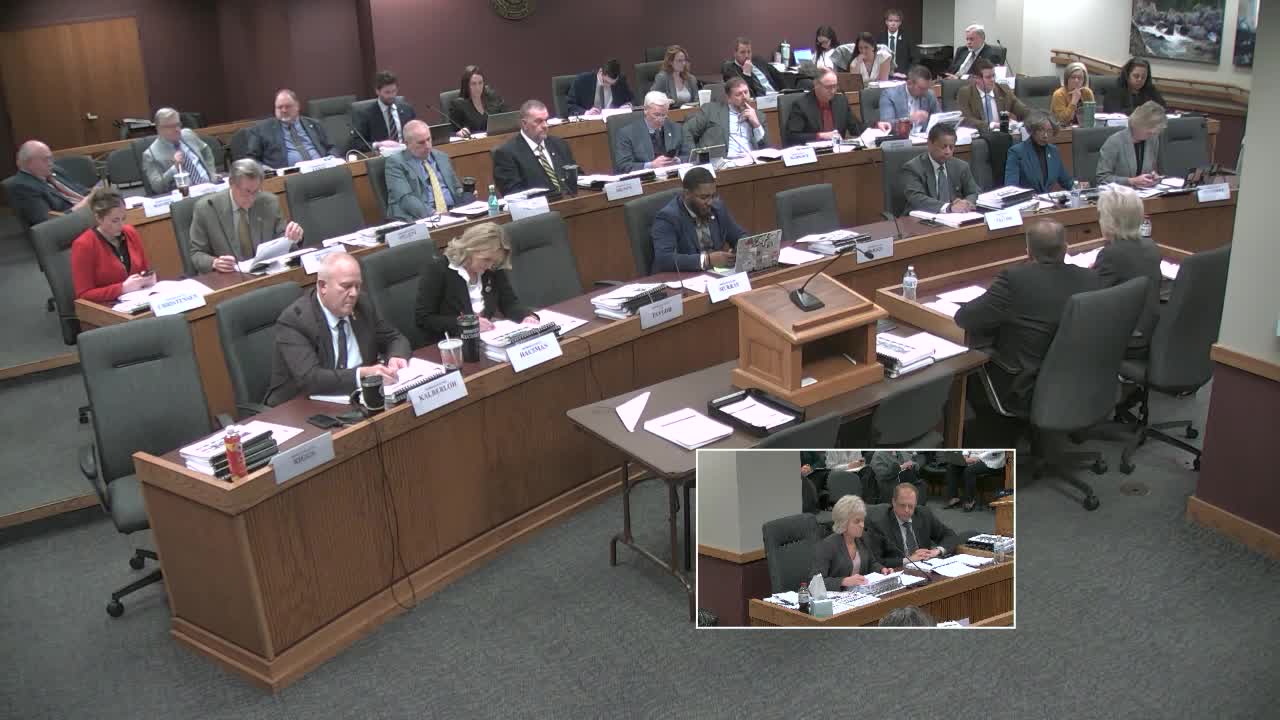
State education officials defended continued funding for the new teacher baseline salary grant and the career-ladder program during a departmental presentation to the House Budget Committee.
Baseline salary: Under 2023 statute DESE established a baseline salary grant to raise minimum teacher pay. "The governor recommended $33.4 million," DESE said; that amount appeared in DESE—riefing as a transfer and program appropriation. The department told the committee it did not request an additional $5.7 million top-up this session because district salary schedule increases and the baseline transfer together will cover the state—ommitment for FY26.
"We have to prevent districts from moving compensation backwards," DESE said, noting grant guidance requires participating districts to submit salary schedules and projections so the department can confirm districts do not reduce total compensation or supplant other pay. Committee members asked for district-level lists of forecasted baseline and master's/step payments so lawmakers can see who benefits.
Career ladder and teacher retention: DESE also described the career ladder program, which supplements pay for teachers who take additional duties or extra hours. The department said participation has grown from roughly 205 districts to 249 districts and projected a near-term cost of roughly $44.7 million for FY25 participants; the department told lawmakers its FY26 request accounted for rising participation.
DESE emphasized retention and training programs that supplement pay, such as the Missouri Teacher Development System and literacy coaching; several items were not funded in the governor—udget but DESE requested them as new decision items and agreed to give additional program-level detail. Lawmakers repeatedly pressed for more granular data on how grants are distributed by district and how state grants interact with local compensation and benefits.
Why it matters: Teacher pay and retention drove much of the committee discussion; lawmakers and DESE agreed the state program aims to increase pay but wanted transparent district-by-district allocations and stronger reporting to ensure funds expand total compensation rather than supplant local investments.
Ending: DESE agreed to provide the committee district-level runs showing expected FY26 distribution for the baseline salary grant and career-ladder programs and to produce clarifying guidance documenting how the department ensures new state dollars do not displace local effort.