Get Full Government Meeting Transcripts, Videos, & Alerts Forever!
Get email alerts on the Veterans Funding topic
No spam. Unsubscribe anytime.
Proposal to divert a slice of lottery proceeds to Missouri Veterans Commission draws mixed reaction
Summary
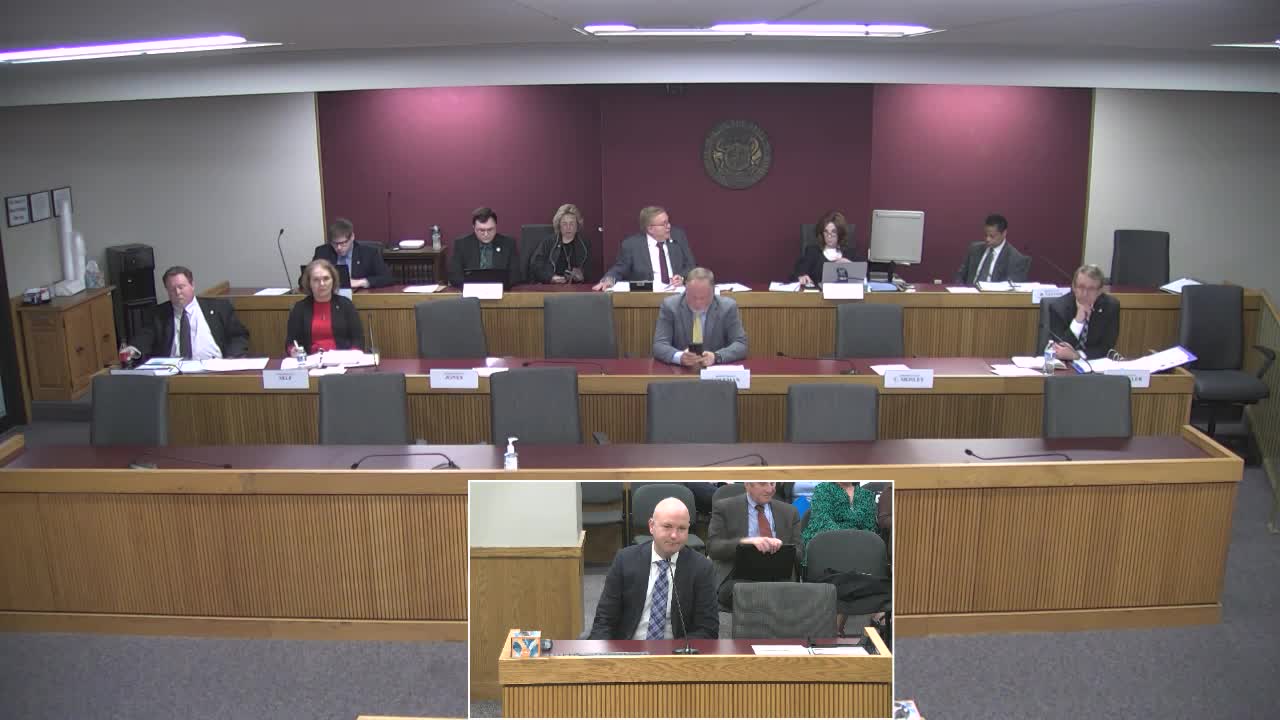
Representative Dave Griffith told the Ways and Means Committee that House Joint Resolution 7 would dedicate a share of state lottery proceeds to the Missouri Veterans Commission to provide stable, recurring funding for veterans homes and services.
Representative Dave Griffith presented House Joint Resolution 7 to the Ways and Means Committee, proposing a change to lottery distributions that would direct a portion of lottery proceeds to the Missouri Veterans Commission.
Griffith said he had pursued sustained funding for veterans for years and that a 10 percent share of lottery revenue would generate about $36 million annually, according to the fiscal note he cited. He told the committee that previous proposals, including a 50/50 split, were not politically viable but that 10 percent would provide recurring dollars to support veterans homes, cemeteries and veteran service officers.
Committee members pressed the sponsor on fiscal details. Representative Taylor and others asked whether veterans already receive funds from marijuana taxes, riverboat gaming or other sources; Griffith said the Missouri Veterans Commission received some revenue from medical-marijuana and adult-use marijuana proceeds but that amounts were comparatively small (he cited roughly $13.5 million from medical marijuana and about $4 million from adult-use marijuana in discussion). He and other supporters described recent tight budgets at the Veterans Commission and said uncertain, annual general-revenue supplements left the agency vulnerable.
Opponents warned of the effect on education. Brant Shields of the Missouri School Boards Association said the lottery-derived pot at issue was voter-approved for education and that diverting the funds in whole or part should be decided by voters; because HJR 7 is a joint resolution that would place the question before voters, Shields urged caution but stated opposition to diverting funds earmarked by prior ballot language. Other committee members expressed unease about pitting veterans funding against school funding; supporters argued the measure would create a dedicated, stable revenue stream for veterans services.
No committee vote was recorded during the hearing. Testimony and discussion continued without formal action; both supporters and opponents recommended further work on language and fiscal implications before any floor action.