Get Full Government Meeting Transcripts, Videos, & Alerts Forever!
Get email alerts on the Childcare Subsidy topic
No spam. Unsubscribe anytime.
Child-care subsidy backlog and payment system failures leave some Missouri providers unpaid; DESE says 70% of backlog cleared
Summary
Missouri child-care providers told the House Budget Committee that system failures after a state IT migration prevented routine subsidy payments in 2024; DESE said it has now fixed the migration/calculator errors, has cleared about 70% of the backlog, and is manually processing the remaining claims.
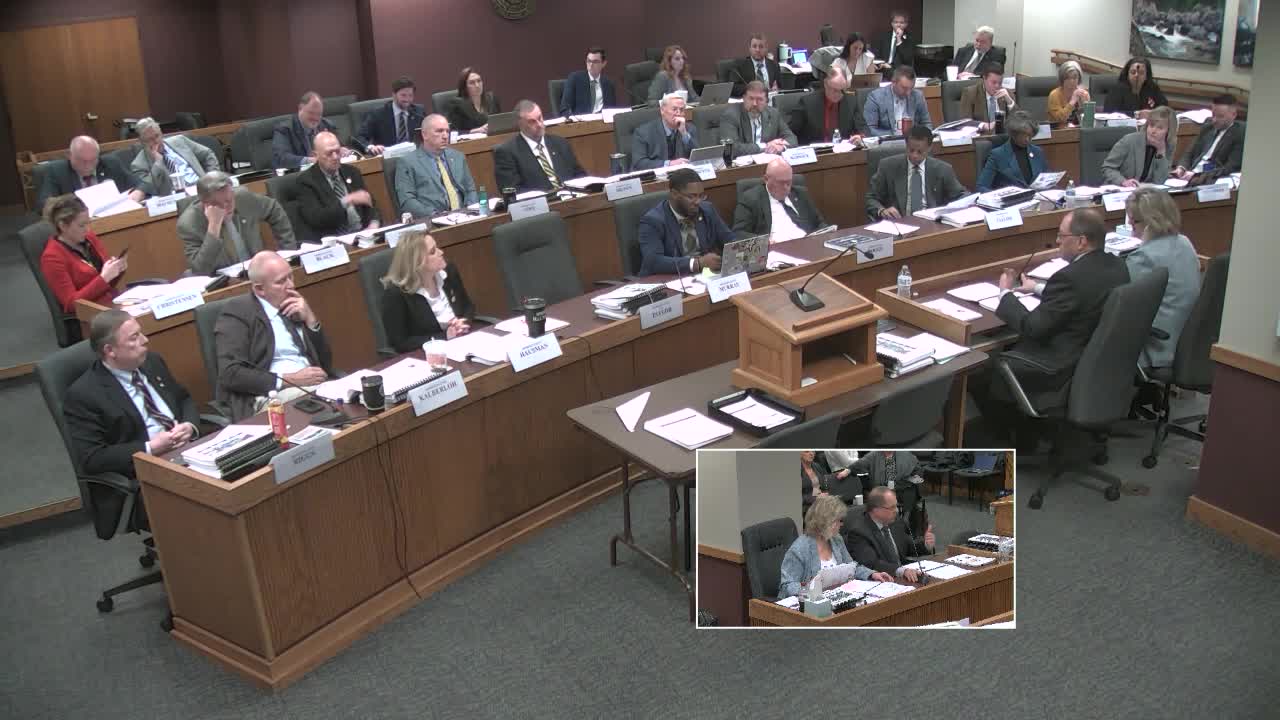
Missouri child-care providers and parents told the House Budget Committee on Feb. 3 that a multi-month failure after a state payment system change left numerous providers without expected subsidy payments in 2024. DESE staff told the committee the primary causes were a flawed data migration and a broken payment calculator after a system switchover; the department said the bulk of systemic errors have been fixed and that 70% of the historic backlog has been processed.
What happened: DESE said the state migrated provider, family and child records into a new childcare-payment platform in mid-2024. The migration omitted or mis-mapped many records; in addition a rate/calculation error prevented routine payments from being created or caused partial payments. "Pieces of those components that are needed for a payment weren't working properly until July," DESE staff told the committee. The result was a large number of unpaid claims and manual processing needs.
Scope and status: DESE told lawmakers there were roughly 1,900 subsidy providers in the system at the time of the migration and that the backlog peaked at roughly 670 providers with unresolved payment items; the department said it has processed more than 100 providers in the past two weeks and about 70% of the historic backlog remains to be resolved as of the committee hearing. DESE said about 500 providers and 25,000 child claims were the outstanding manual items remaining in the queue.
DESE response: The department described a multi-pronged cleanup: (1) fixes to the data migration and calculator logic; (2) repurposing staff and contractors to run special manual processing tools that apply approved authorizations in bulk; and (3) a triage process to identify incomplete applications or missing documentation and contact providers/families to collect missing pieces. "We've processed 70% of the backlog and our goal was to clear the rest by the end of this month," DESE said, but it also cautioned that incomplete records will take longer because staff must request missing documents from families or providers.
Impacts reported to the committee: Several lawmakers relayed constituent reports of providers in small communities that carried unpaid bills for months; one member said a provider reported owed sums large enough to cause cash-flow problems and late tax penalties. Committee members underscored the secondary harms: providers losing staff, closing rooms or turning away children, and families facing childcare gaps that affect employment.
What DESE asked for and offered: DESE urged any provider or family with unanswered claims to submit a direct inquiry to the department and offered to research specific cases. The department said it will share a provider-level list of remaining issues that would help lawmakers and local officials provide outreach.
Why it matters: The child-care subsidy program supports work and child development; payment delays affect small businesses and low-income families directly. Lawmakers pressed DESE for faster resolution and asked for follow-up information and a post-mortem on the contract and vendor performance.
Ending: DESE said the system-wide bugs are fixed and that staff will continue manual clearing until the backlog is closed; the committee requested a written timeline, a roll-up of remaining providers and an after-action review of the implementation and contracting process.