Get Full Government Meeting Transcripts, Videos, & Alerts Forever!
Get email alerts on the Benevolent Tax Credits topic
No spam. Unsubscribe anytime.
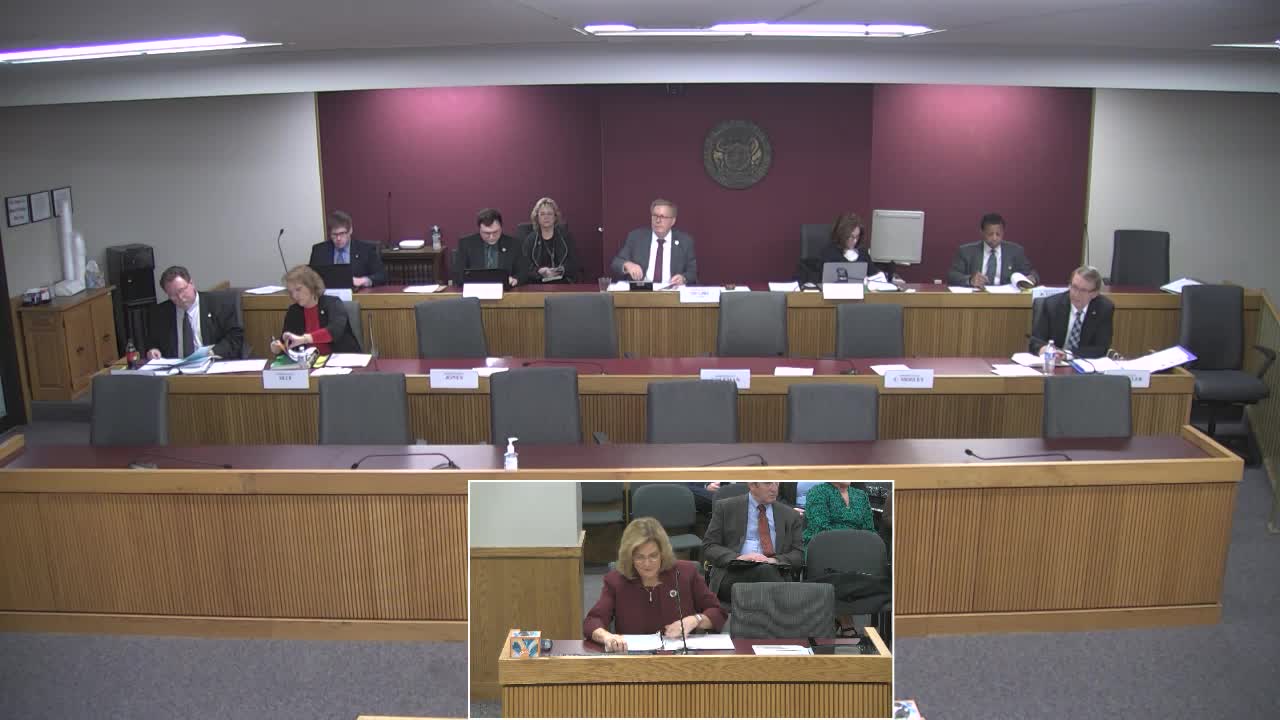
Missouri committee hears bill to ease penalties, extend sunsets for two benevolent tax credits
Summary
A House Ways and Means hearing on House Bill 326 drew nonprofit and food-bank testimony supporting changes to the Champions for Children and donated food tax credits, including a proposed payment-plan window to avoid penalties when credits are oversubscribed and an extension of the credits' sunset date.
Representative Brenda Shields, sponsor of House Bill 326, told the Missouri House Ways and Means Committee that the bill would change how two benevolent tax credits — the Champions for Children tax credit and the donated food (food pantry) tax credit — are handled when the credits are exhausted.
Shields (State Representative, District 11) said the bill would allow taxpayers who claimed the credits but later receive an apportionment notice because the statutory caps were reached to enter a payment plan or otherwise avoid penalties and interest. She told the committee the bill provides a statutory period for taxpayers to pay amounts owing when a credit must be prorated and that the bill would extend the credits’ sunset date to 2032 (as stated by the sponsor).
Supporters told the committee the credits are important fundraising tools for child- and hunger-service nonprofits. Jessica Sites, executive director of the Missouri Network Against Child Abuse, said the Champions for Children credit helps child advocacy centers and crisis nurseries; Lisa Meisel, president and CEO of the Child Protection Center in western Missouri, said donors account for roughly 20% of her center’s $2.3 million annual budget and that the credit helps cultivate sustained giving. Kim Beckman of Feeding Missouri described the food pantry credit as a straightforward way to keep donations flowing to food banks serving roughly 925,000 food-insecure Missourians, including about 250,000 children by the group’s estimate.
Committee members asked technical questions about the length of any payment plan and whether interest should be charged during a permitted repayment window. Representative Taylor asked whether taxpayers would still be liable for taxes if the credit was exhausted; Shields said yes, but the bill would offer a way to avoid penalties and interest if the taxpayer makes arrangements promptly. Shields also said she intends to amend the bill so deadline language aligns with federal and state filing deadlines when the April 15 deadline falls on a weekend.
No final committee action was recorded during the hearing. Dozens of nonprofit leaders and hunger-relief advocates testified in support; no witnesses registered opposition.
Several witnesses flagged related federal funding volatility: Meisel told the committee the Victims of Crime Act (VOCA) funding has fluctuated and that charitable contributions — supported by the state credit — make up a significant share of service budgets.
The hearing record shows discussion but no formal votes on House Bill 326.