Get Full Government Meeting Transcripts, Videos, & Alerts Forever!
Get email alerts on the Foster Youth Bill Of Rights Hb945 topic
No spam. Unsubscribe anytime.
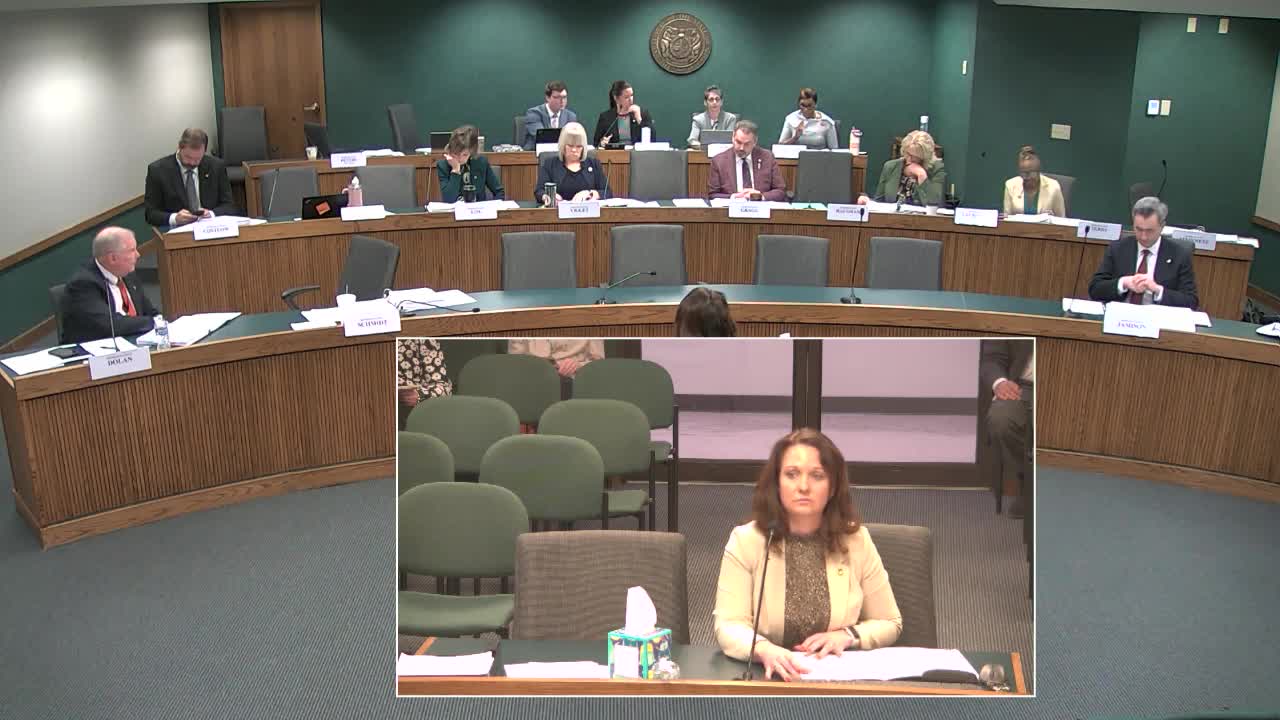
Panel hears bill to post foster youth bill of rights, advocates and critics press for clarifications
Summary
Representative Jamie Ray Gregg presented House Bill 945 to create and post a foster youth bill of rights and to clarify placement and transition protections for school‑age children in state care.
Representative Jamie Ray Gregg presented House Bill 945 to the House Committee on Children and Families to create a foster youth bill of rights and related placement and transition protections for school‑age children in state care.
The draft lists specific entitlements for children and families — private contact with case managers and attorneys, access to belongings and personal records, participation in hearings when age‑appropriate, and support while aging out of foster care. Gregg said the bill is not exhaustive and that kinship caregivers would be explicitly recognized in placement decisions.
Supporters said the measures would reduce adverse childhood experiences and stabilize placements. Alexa Dudley, a Kansas City resident and clinical psychology student who grew up in homes that received foster children, told lawmakers that posting the bill of rights and guaranteeing agency (for example, access to personal belongings and contact with advocates) can lessen trauma and long-term psychological harm.
Opponents said some language is vague and could be used against fit parents or kinship caregivers. Lisa Pannett, testifying for an organization identified in testimony as Armervine, said the draft removes statutory language that prioritizes reunification and the child’s return to prior caregivers and replaces it with open-ended standards that could be weaponized against good relatives. “This is horrible language for those that would otherwise be good parents,” Pannett said, citing a case in which grandparents were removed from care over vaccination disputes.
Marsha Hazelhorst, executive director of the Missouri Juvenile Justice Association, testified for informational purposes and urged the committee to clarify the “client-directed counsel” concept and the scope of a child’s ability to seek equitable relief. Hazelhorst asked whether a child’s right to a client‑directed attorney that represents the child’s stated position could create opposing legal advocates (the guardian ad litem representing best interests versus client‑directed counsel representing the child’s stated wishes) and when equitable relief would be appropriate.
Committee members probed practical details about enforcement and unintended consequences. Representative Prouty noted the bill’s references to “least restrictive environment” and explained that the term is a federal legal term used to preserve developmentally appropriate placements. Representatives raised constitutional and operational questions about private contact and protective measures when parental contact causes harm.
No committee votes were recorded in the transcript. The committee closed the hearing after some members asked for clarifying language and for the sponsor to work with stakeholders on definitions and conditions under which rights like client‑directed counsel or equitable relief would apply.
Why it matters: The bill would standardize a list of rights and services for children in foster care, potentially affecting placement practice, case management, information access and transition support for youth aging out of state care. Critics warned the draft could unintentionally be used to challenge kinship placements or parental reunification without more precise limits.
What’s next: The sponsor and committee members agreed to continue drafting with stakeholder input to clarify terms such as "least restrictive environment," the scope of client-directed counsel and the conditions for equitable relief.