Get Full Government Meeting Transcripts, Videos, & Alerts Forever!
Get email alerts on the Election Funding Private topic
No spam. Unsubscribe anytime.
Bill would bar private and subscription funding to local election offices, sponsor says
Summary
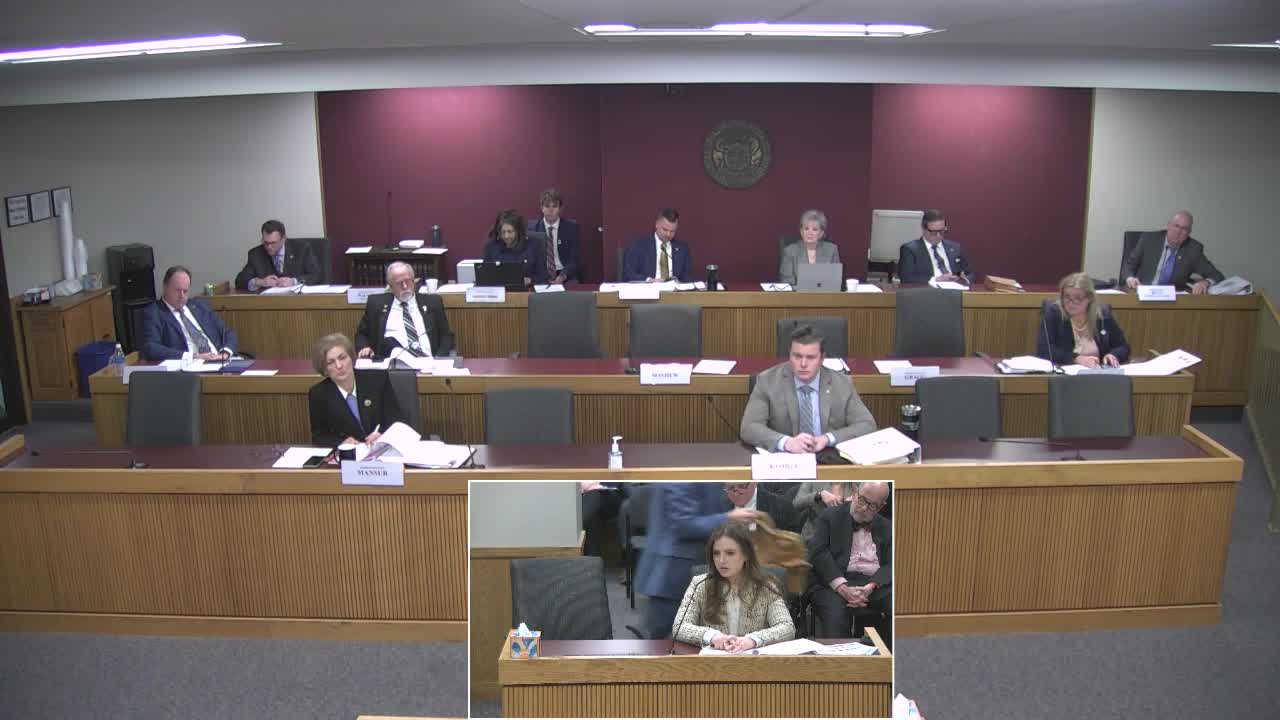
Representative Ben Baker told the House Commerce Committee that House Bill 794 would bar private funding for election administration even when provided indirectly through membership or subscription programs.
Representative Ben Baker, sponsor of House Bill 794, said the bill closes a loophole that allowed private funding for local election administration to flow through membership or subscription programs. "We passed a bill prohibiting private funding in election administration... but they found another way to kinda get around that, with the US Alliance for Election Excellence... starting a subscription service," Baker said, and added the proposed language would make indirect or subscription funding unacceptable for local election authorities.
Baker framed the bill as a continuation of post‑2020 reforms that many states pursued after large private donations to election offices drew scrutiny; he cited examples he said were associated with the 2020 cycle, including donations tied to the Center for Tech and Civic Life (sometimes called "Zuck Bucks"). Committee members asked whether ordinary in‑kind arrangements — for example, use of churches as polling places — would be caught by the bill's language. Baker replied that the bill's subsection 3 sets certification requirements and that the sponsor would clarify wording; "we will be clarifying that and tightening that part up," he told the committee.
Questioning focused on the bill's definitions and on how the measure treats foreign donations. Representative Sites asked whether an election officer's private‑life memberships would be restricted; the sponsor said private‑capacity memberships would require disclosure but that the bill's prohibition centers on public‑capacity participation unless the entity meets certification criteria (including being "free of direct or indirect foreign donations"). Members also pressed whether the bill would bar membership in nonpartisan civic groups such as the League of Women Voters, and Baker said groups that "indirectly finance" election administration by raising and spending funds on voter engagement could fall under the restriction.
Proponents of the bill argued it restores the intent of prior state statutes and protects fairness across jurisdictions; opponents and some members of the public said the language as drafted risked unintended consequences for volunteers, civic groups and polling‑place operations. The committee did not vote on the bill in this hearing and sponsors indicated they would work with municipal officials to refine certification and disclosure language.