Get Full Government Meeting Transcripts, Videos, & Alerts Forever!
Get email alerts on the Insurance Settlement Demands topic
No spam. Unsubscribe anytime.
House bill would require 90‑day written settlement demands before extra‑contractual claims
Summary
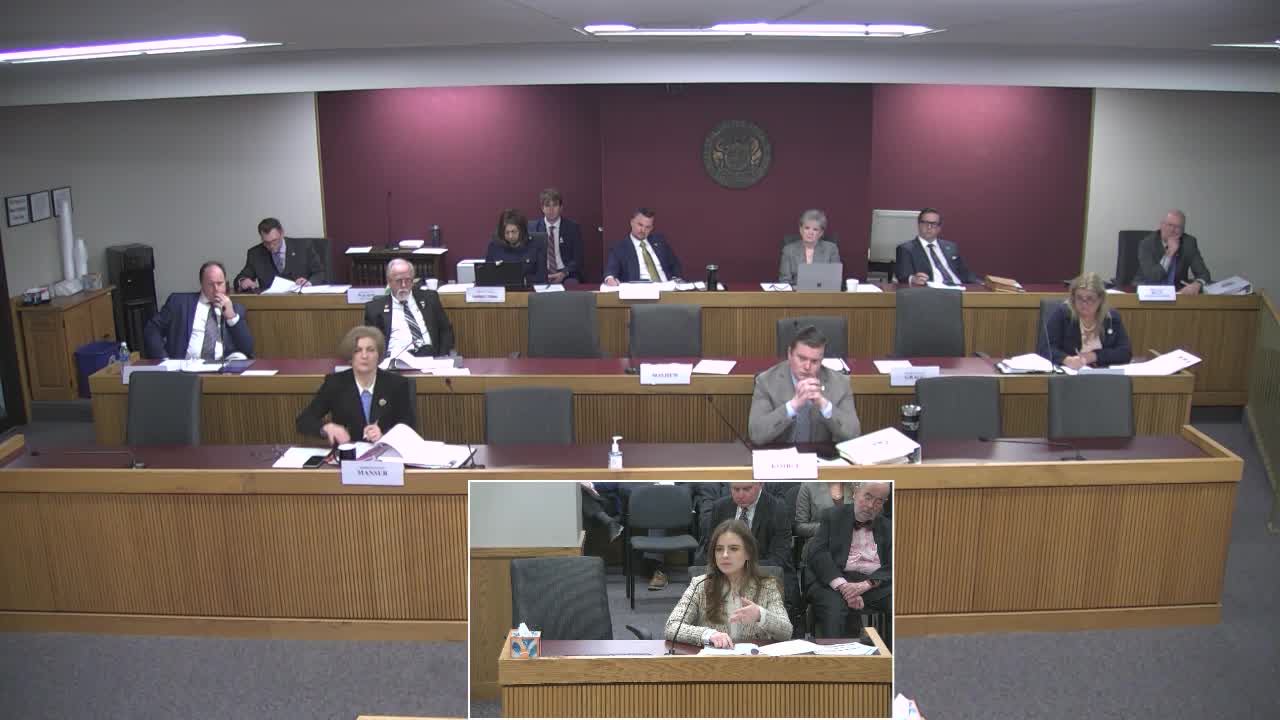
A House Commerce Committee hearing on House Bill 437 heard sponsors and insurance‑industry supporters urging a 90‑day written window for settlement demands tied to extra‑contractual (bad‑faith) claims; trial‑lawyer witnesses and public‑health/consumer groups warned the change could delay payments and limit local enforcement options.
Representative Bill Hardwick, sponsor of House Bill 437, introduced the measure to the Missouri House Committee on Commerce as a rule change for settlement demands in injury cases. "My name is Bill Hardwick. I represent House District 121 presenting House Bill 4 37," Hardwick said. He said the bill would require that a time‑limited settlement demand that will later be used to support a claim for extra‑contractual damages be made in writing, reference the statute, and "be held up in 90 days."
The bill targets what supporters described as a loophole in existing law governing extra‑contractual or "bad faith" claims. A lawyer testifying for Shelter Insurance Companies and the Missouri Insurance Coalition told the committee "the purpose of this bill is as plain as it is simple. It's to afford insurers a fair and reasonable opportunity to settle third party liability claims within their policy limits." That witness and other industry supporters said a 90‑day window gives insurers time to investigate claims, gather medical and wage records, and consult counsel before deciding whether to accept a demand.
Opponents — including lawyers representing the Missouri Association of Trial Attorneys and other consumer advocates — argued the bill would disadvantage injured people who try to settle without counsel and could delay payments. Bailey Geller, a Springfield lawyer testifying for the Missouri Association of Trial Attorneys, said the current statutory scheme already sets detailed requirements for time‑limited demands and that some claimants will not know how to comply: "How is the average person who's in a car wreck supposed to even know about this statute?" she asked.
Committee members pressed both sides on the rationale for 90 days and on how the bill interacts with prior legislation. Hardwick and defense witnesses traced the 90‑day figure to earlier changes adopted by the legislature and to a comparable prejudgment interest provision; industry witnesses also pointed to the Uniform Commercial Code's concept of a "seasonable" or reasonable time for offer acceptance. Trial‑lawyer witnesses said many bad‑faith claims already require years of follow‑on litigation before a jury would consider bad faith, and that an untimed demand cannot realistically create a cheap "gotcha" bad‑faith claim.
Several insurance‑industry witnesses and trade groups said the change is intended only to limit which pre‑suit demands can later support extra‑contractual claims and would not bar recovery of policy limits or other contract remedies. Representative questions focused on whether the rule would be symmetric for plaintiffs and defendants, how the requirement would start (when a demand reaches the insurer), and whether the change would affect market availability of coverage.
The committee did not vote on the bill in this hearing. Members heard roughly equal numbers of witnesses in support and opposition before the panel recessed to consider testimony and next steps.