Get Full Government Meeting Transcripts, Videos, & Alerts Forever!
Get email alerts on the Ssis Modernization topic
No spam. Unsubscribe anytime.
Lawmakers, counties urge speedy modernization of aging SSIS child-welfare system that drains caseworker time
Summary
Lawmakers and county partners urged rapid modernization of Minnesota’s aging Social Services Information System, saying crashes and limited functionality keep caseworkers from spending time with children and families.
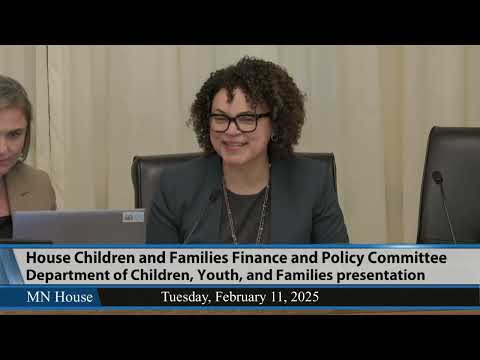
County officials and lawmakers told the Department of Children, Youth and Families that modernizing SSIS, Minnesota’s Social Services Information System, must be a priority because frequent system crashes and the inability to copy-and-paste notes consume caseworkers’ time.
Commissioner Tiki Brown told the committee that SSIS is “based in the 1980's and 1990's technology” and that the department’s most critical technology need is modernizing the child-welfare portions of SSIS. Ashley Reisenhower said the department has made planning and initial investments in 2023 and 2024 and that the state appropriated $10 million in 2024 to begin targeted improvements to the child-welfare portion of SSIS.
Reisenhower added that the federal match typically covers about 50 percent of SSIS costs, and Brown said full modernization is costly; the department is pursuing an incremental approach of planning, targeted fixes and eventual system replacement to limit service disruption. County representatives and committee members described the practical effects on frontline workers: long waits for the system to respond, lost or repeated data entry and hours spent retyping detailed family assessments and placement plans.
“Unless able to spend time with children and families,” Brown said, SSIS instability “leaves workers facing frequent system crashes for minutes or hours at a time.” Vice Chair Jess Hansen told the committee that caseworkers’ first contemporaneous notes are the most valuable and that repeated data loss harms service quality.
Lawmakers urged DCYF to provide specifics on planned modernization steps, expected timelines and the anticipated federal match levels as the department frames its multi-year technology plan.