Get Full Government Meeting Transcripts, Videos, & Alerts Forever!
Get email alerts on the Community Public Health Odor Complaints topic
No spam. Unsubscribe anytime.
Residents press council for action over odors from C4 cannabis facility
Summary
During public comment dozens of residents described persistent noxious odors and health effects they attribute to a cannabis manufacturing facility (C4/C4 USA) and urged the council to enforce local code or revoke permits; no formal council action on the issue was taken at the meeting.
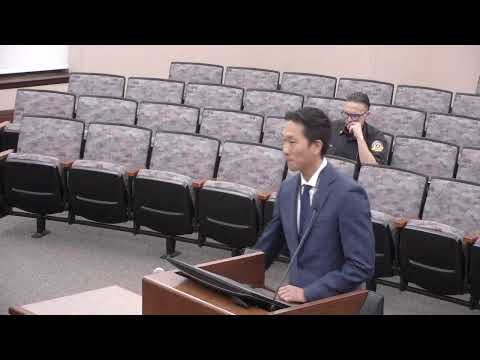
Dozens of residents used the public comment period to press the Cathedral City Council for enforcement action against a nearby cannabis manufacturing facility identified in comments as "C4" or "C4 USA," saying persistent odors and alleged chemical emissions are harming health, property values and quality of life.
Speakers described ongoing symptoms and nuisance conditions. "We are demanding action now," said Linda McDonald, a resident of Outdoor Resorts, describing daily nausea, burning eyes and sinus problems. Scott McDonald, who said he obtained a gas chromatography report prepared for C4 USA, raised questions about the methodology and missing ingredients in the document and warned about chemicals he said were being used to mask odors. "When the public learns that chemicals such as iodine, cuprous iodide, and sulfamic acid are being used to hide cannabis odors, they are rightfully concerned," he said.
Other speakers described lost rental income and falling property values near the facility, impacts on outdoor recreation at retirement communities, and repeated but unresolved complaints to city staff and police. Michael Hayes, who identified himself as a nearby resident and U.S. veteran, described three years of harassment and said he had provided video evidence to the council. "It's frightening that I would have to call the police department for racist, homophobic, just hate," he said. Resident Alan Carvallo called the situation an "emergency" and urged the council to act immediately.
Some speakers cited the city municipal code and the council's conditional‑use permit process, urging permit revocation if the operator cannot meet local standards. Richard Seiler explicitly cited the code's emissions standard and urged enforcement: "The code that says 0. 0 emissions, not 30, not 90, it's 0." Several speakers asked the council to require stronger filtration, revoke permits or shut the plant down.
Council members acknowledged the comments and the mayor said the council would "move forward with pride and excellence," but the meeting record shows no formal motions or votes on enforcement or permitting for the C4 facility at that session. Multiple residents asked for more frequent public information from the city and for follow‑up on testing and police referrals.
What the record shows: the matter was raised during public comment; residents requested specific enforcement actions (permit suspension/revocation and stronger odor controls) and questioned the adequacy of testing done by or for the facility. City staff did not present a compliance action, and the council took no immediate legislative or enforcement vote on the matter that evening.
Public comment highlights (selected): • Michael Hayes (resident): described three years of harassment, police involvement and posted video evidence. • Linda McDonald (Outdoor Resorts resident): "We are demanding action now." • Scott McDonald (resident): raised technical questions about a GASP gas‑chromatography report prepared for C4 USA and the removal of certain chemicals from safety data disclosures. • Richard Seiler (resident): urged code enforcement and revocation, citing a zero‑emissions standard.
Next steps: several speakers asked that the city provide clearer public communications, release testing methodologies and pursue enforcement if the facility cannot comply with local code.