Get Full Government Meeting Transcripts, Videos, & Alerts Forever!
Get email alerts on the Drug Policy topic
No spam. Unsubscribe anytime.
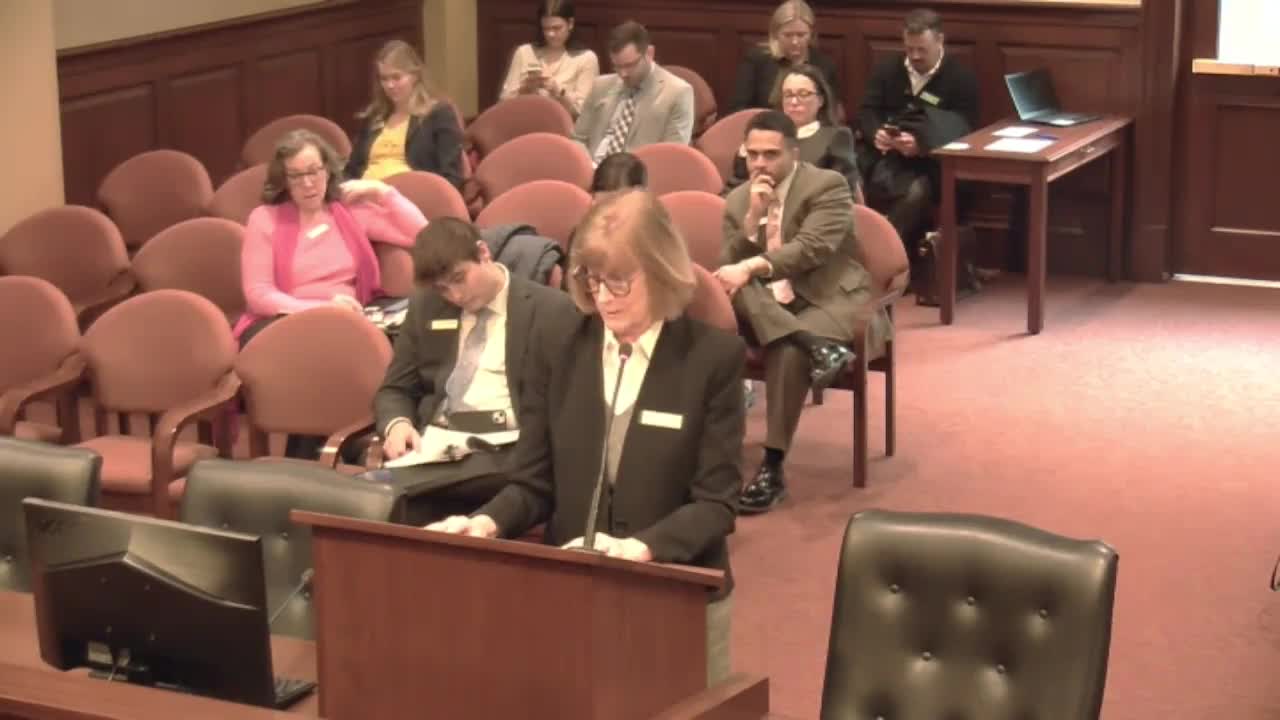
Senate Judiciary & Rules hears Director Mary Ann King on reappointment, prevention focus for fentanyl-era drug policy
Summary
The Senate Judiciary & Rules Committee heard testimony from Director Mary Ann King ahead of a gubernatorial reappointment vote at a later meeting. King highlighted prevention, partnerships and evaluation as central to Idaho’s response to rising fentanyl deaths and described workforce and parent-engagement challenges.
The Senate Judiciary & Rules Committee on an unspecified date heard testimony from Mary Ann King, director of the Office of Drug Policy, as part of the governor’s reappointment process for her role. Committee chair Senator Lakey told King the committee typically votes on appointments at the next meeting.
King, who began her career as a juvenile probation officer and later worked with Drug Free Idaho, told the committee prevention is the best way to reduce substance misuse: “If we wanna be successful in reducing the impact of substance abuse in our communities, we have got to get ourselves as far upstream as we possibly can,” King said. She described ODP’s statutory role in coordinating drug and substance abuse policy and programs statewide and said the office prioritizes evidence-based grantmaking and rigorous evaluation.
King outlined three areas she called successes during her tenure: building cross-sector partnerships with schools, law enforcement, nonprofits and community groups; strengthening outcomes through an application-and-evaluation approach for grants; and expanding ODP’s reach across age groups, including outreach to 18-to-24-year-olds. “We have folks now at the table talking about prevention that not that long ago didn’t think it stood a chance,” King said.
She also told senators that the rise of fentanyl changed the risk environment: “Fentanyl was an absolute game changer for all of us,” King said, and cited overdose figures she provided to the committee: “We lost 386 Idahoans to fatal overdoses in 2023, 264 of those to opioids, 197 to fentanyl overdoses.” King said these losses and conversations with affected families motivate her work.
On challenges, King named three priorities: recruiting and retaining a trained prevention workforce in rural and frontier communities; responding to rapidly changing drug trends beyond single-drug responses; and increasing parent engagement so prevention messages delivered to youth are reinforced at home. She described the workforce as largely part-time and aging and urged career-path development for prevention professionals.
Senator Wintro thanked King for the emphasis on prevention, saying it can save money and lives. Senator Foreman framed the issue as enforcement versus education and asked whether education should be emphasized; King replied that “we’re never gonna arrest our way out of here” and reiterated the need for prevention and education while still supporting roles for law enforcement in community education.
No formal committee vote on the reappointment took place at the hearing. Chair Lakey said the committee “typically vote[s] on appointments at the next meeting,” indicating the nomination will return for a recorded vote at a subsequent hearing.
The committee hearing provided a public record of King’s priorities and the Office of Drug Policy’s approach to grantmaking, prevention programming and evaluation as Idaho continues to respond to fentanyl and other evolving drug threats.