Get Full Government Meeting Transcripts, Videos, & Alerts Forever!
Get email alerts on the Dopl Audit And Budget topic
No spam. Unsubscribe anytime.
DOPL audit shows persistent cash-balance issues; agency seeks targeted pay and equipment funding
Summary
Legislative auditors on Feb. 6 told the Joint Finance-Appropriations Committee that DOPL continues to have an open audit finding tied to excess board cash balances while the agency seeks targeted, dedicated-fund increases for inspector pay and vehicle replacements.
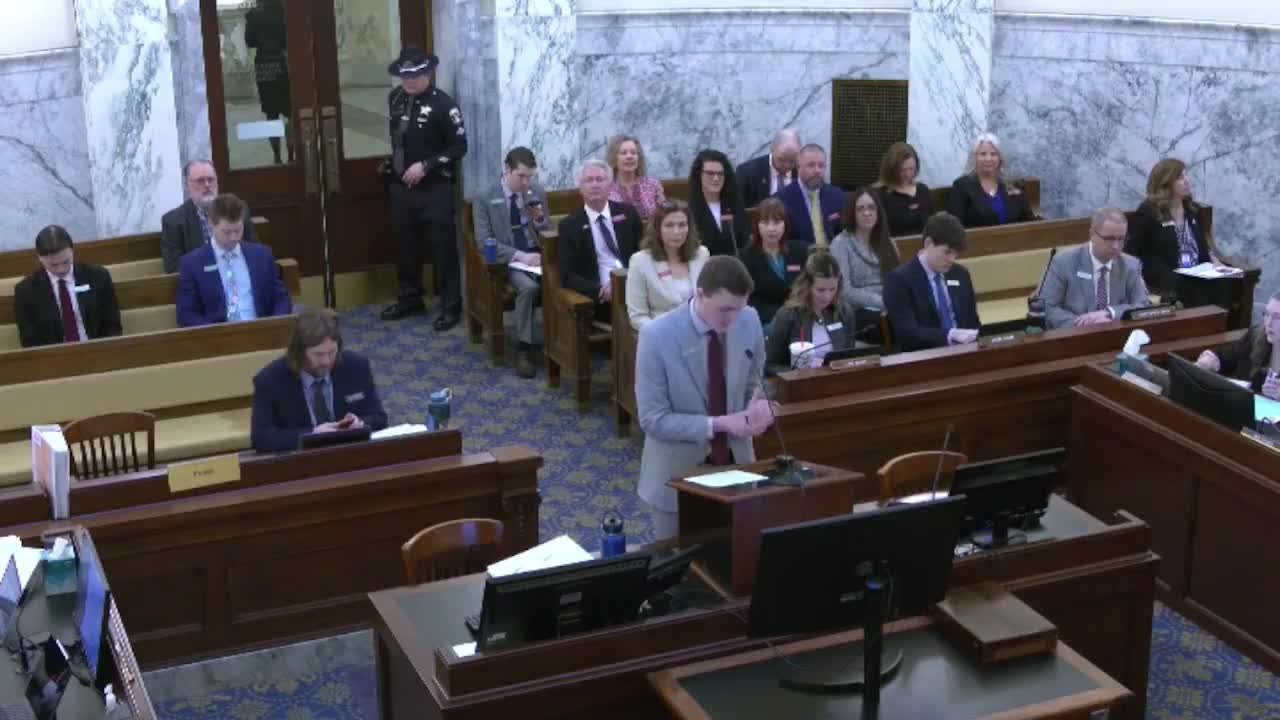
Legislative auditors and Division of Occupational and Professional Licenses (DOPL) officials told the Joint Finance-Appropriations Committee on Feb. 6 that the agency continues to address long-running audit findings tied to excess cash balances and is seeking targeted, dedicated-fund adjustments in FY 2026.
April Renfro, a manager with Legislative Audit, said auditors issued a report in January that reduced open findings to a single persistent issue: boards’ excess cash balances. “If they have cash balances 125% in excess of what they need for their annual expenditures that's probably too much cash,” Renfro told the committee, noting the agency has provided reports and plans for reducing balances but that the adjustments can require time because fee changes and resulting revenue shifts occur over multiple licensing cycles.
Kellen McGurkin, budget and policy analyst with Legislative Services, reviewed DOPL’s financial picture for the committee and highlighted that the agency manages 45 boards and commissions that together oversee roughly 200,000 licensees. DOPL reported about $83 million in receipts and transfers in a recent year, including transfers from prior board cash balances and roughly $30 million in licensing revenues. McGurkin noted the agency is implementing fee reductions and “fee holidays” and forecasting how fee changes will affect future balances.
Russ Baron, DOPL administrator, told the committee the agency has seen high turnover for field inspector positions and requested targeted pay adjustments to recruit and retain inspectors. Baron described turnover rates from 12% to 67%, depending on program, and said vacancies sometimes last up to eight months. The agency’s FY 2026 request includes $222,000 in ongoing dedicated funds to increase pay for inspectors by an average of $0.95 per hour across 92 FTEs and $900,500 in one-time dedicated funds to replace vehicles (detailed as 16 Ford F-150s for $648,000; five Ford Escapes for $165,000; one Ford F-250 for $44,500; and one Ford Explorer for $43,000).
Baron also described implementation of a new licensing information system, with phased releases completed in July and November; he said the system has improved processing and enabled cross-training among staff. Baron said all DOPL funds are dedicated (fee-supported) and that the agency is working with the committee and auditors on a plan to bring board cash balances into a more reasonable range.
Why it matters: DOPL oversees licensing that affects public safety and commerce; auditors flagged cash-balance management as an unresolved, multiyear issue and DOPL seeks targeted investments to address inspector pay, vehicle needs, and ongoing operational adjustments. Committee members asked for the agency’s detailed board-by-board plan and for continued audit follow-up.
DOPL officials said they will provide the committee with the December planning update attached to the audit and expressed willingness to meet with members for a walk-through of board-level cash balances.