Get Full Government Meeting Transcripts, Videos, & Alerts Forever!
Maine revenue officials brief taxation committee on federal tax conformity, timing and form challenges
Summary
Maine Revenue Services staff told the Joint Standing Committee on Taxation that the state uses static conformity to link its income tax code to the federal Internal Revenue Code, but timing differences, form development and several limited state 'decouplings' create recurring administration and budgeting challenges.
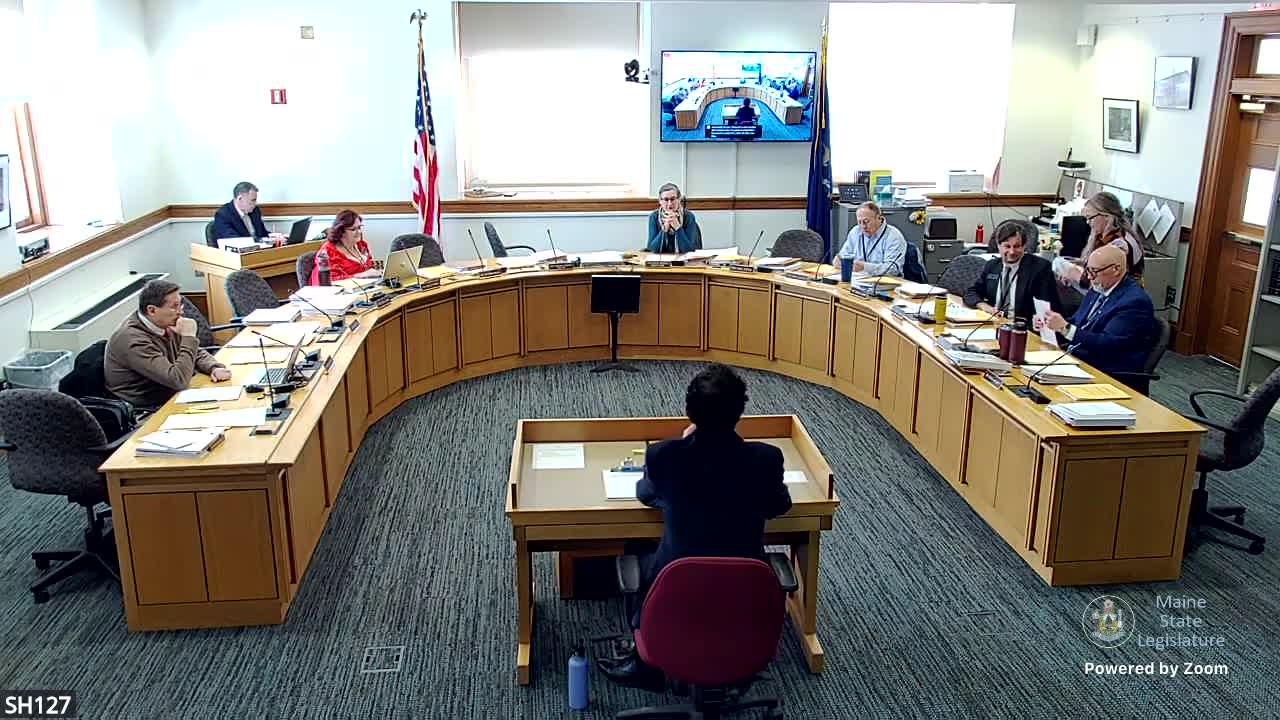
Deputy Tax Policy Counsel Daniel D'Alessandro of the Office of Tax Policy told the Joint Standing Committee on Taxation that Maine broadly conforms to the federal Internal Revenue Code but uses targeted deviations for budgetary and policy reasons.
"When you fill out your federal return, you get to a line called adjusted gross income. You then can copy that onto your state return," D'Alessandro said, describing the mechanical link between federal and state filings and why many compliance rules track Washington. He said Maine generally uses static conformity — adopting federal law as of a specified date — and then enacts discrete state law changes when it intentionally decouples from a federal provision.
That distinction matters for taxpayers and state administration because timing of federal changes, federal legislative calendars and the state statute that defines the conformity date determine whether the state must redesign forms or add lines to…
Already have an account? Log in
Subscribe to keep reading
Unlock the rest of this article — and every article on Citizen Portal.
- Unlimited articles
- AI-powered breakdowns of topics, speakers, decisions, and budgets
- Instant alerts when your location has a new meeting
- Follow topics and more locations
- 1,000 AI Insights / month, plus AI Chat