Get Full Government Meeting Transcripts, Videos, & Alerts Forever!
Get email alerts on the Public Infrastructure topic
No spam. Unsubscribe anytime.
Committee favors changes to public infrastructure district rules, approves bill
Summary
Senators unanimously recommended Senate Bill 241 to clarify powers and financing for public infrastructure districts, including bond consent and PACE assessment authority.
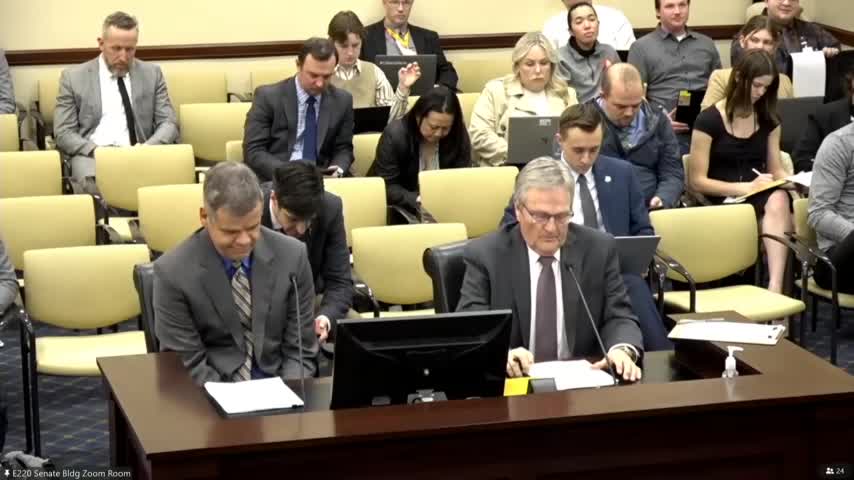
A Senate committee unanimously favorably recommended Senate Bill 241, which clarifies financing and consent procedures for public infrastructure districts, commonly called PIDs.
Sponsor Senator Jerry Stevenson told the committee the bill updates the statute to specify improvements a PID may finance, lengthen the period a consent to bonds may remain valid, align the consent threshold with other bond elections, and expressly allow PIDs to impose PACE assessments. "It clarifies the process for consent to bonds," Stevenson said, and said the changes help projects like point-of-the-mountain and the inland port proceed more efficiently.
An attorney who assisted the sponsor, Randy Larson of Gilmore & Bell, described the measure as technical and focused on capital financing: "These are financing, solely capital financing instruments," he said. Committee members asked for and received clarifications about PID powers. Senator Vickers asked whether a PID functions like a taxing entity; Larson explained a PID is a separate governmental entity that can pledge assessments or taxes toward tax-exempt bonds with property-owner consent.
Committee discussion emphasized that PIDs do not have land-use authority; permitting and entitlements remain with the local jurisdiction. Senators expressed concern about the size and economic impact of PIDs but said the bill makes those tools function more smoothly.
The committee voted to favorably recommend Senate Bill 241 to the Senate floor by voice vote; the chair announced the recommendation was unanimous.