Get Full Government Meeting Transcripts, Videos, & Alerts Forever!
Get email alerts on the Continuing Care Refunds topic
No spam. Unsubscribe anytime.
Lawmakers weigh changes to continuing-care refund rules after constituent case highlighted delays
Summary
A proposed bill would create a sequencing system for refunds of life-care contract entrance fees so departing residents (or their estates) are paid as units sell rather than being tied to sale of that specific unit. Sponsors said the change is narrow, intended to ensure fairness while preserving trust structures continuing-care communities use.
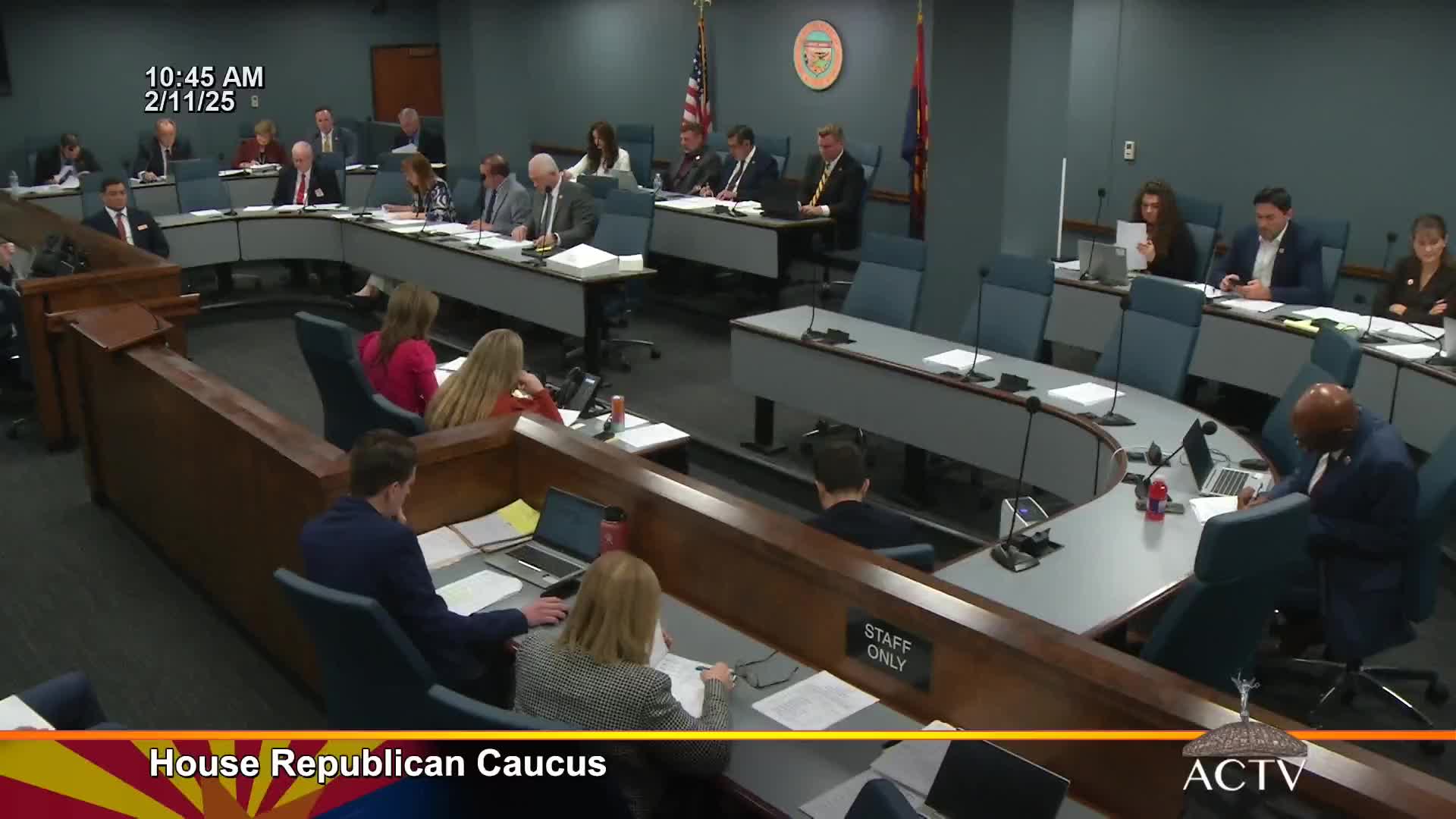
Lawmakers discussed House Bill 23-70, a measure aimed at changing how refunds are handled for residents who have paid large entrance fees into continuing-care communities under so-called life-care contracts.
Representative Gruss, sponsor of the bill, described a case that prompted the proposal: a resident identified in testimony as Forrest Buck had $103,000 tied to a vacated unit and, according to the sponsor, remained unpaid because the continuing-care community controlled unit sales and would not release refunds until that exact unit sold.
The bill would require facilities that sell life-care contracts to assign a sequential refund number when a unit is vacated. As units are sold, refunds would be paid to departing residents (or their estates) based on that wait list position rather than waiting for the specific vacated unit to sell. Sponsors described the approach as a “one in, one out” sequencing that aims to provide reasonable certainty for residents without destabilizing the community trust or insurance product that funds care.
Supporters, including the AARP in committee testimony cited by sponsors, argued this is consumer-protection legislation targeting practices that can leave residents waiting indefinitely for significant sums. Opponents in caucus urged caution and asked whether a single bad actor should prompt industry-wide change. Sponsors said they had spoken with industry representatives and the Better Business Bureau and planned technical amendments to limit unintended consequences and preserve the trust structures communities use to fund care.
Several members asked how refunds are handled for estates after a resident’s death; sponsors said the estate is the beneficiary of the refund but under current practice must wait until the community sells the unit. Sponsors said the proposal would not require that the vacated unit itself be sold before a refund is issued, only that refunds be issued in sequence as sales occur.
Ending: Sponsors asked members to review committee materials and stakeholder analyses; no final votes or fiscal notes were recorded in the caucus discussion.