Get Full Government Meeting Transcripts, Videos, & Alerts Forever!
Get email alerts on the Pharmacist Reimbursement Study topic
No spam. Unsubscribe anytime.
Senate committee asks Medicaid to study pharmacist payment parity under SJR 26
Summary
The committee passed Senate Joint Resolution 26 directing the Department for Medicaid Services to provide interim data and cost estimates on paying pharmacists for clinical services under Medicaid and KCHIP so lawmakers can assess access and fiscal impact.
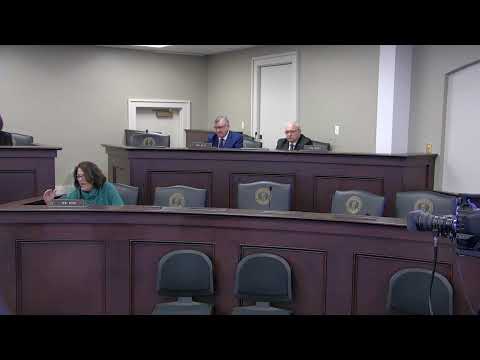
Sen. Craig Richardson, sponsor of Senate Joint Resolution 26, and Ben Mudd of the Kentucky Pharmacists Association told the Senate Standing Committee on Health Services that the resolution asks the Department for Medicaid Services to prepare data and a cost analysis on providing Medicaid and KCHIP reimbursement parity to pharmacists for clinical services already in their scope of practice.
“Pharmacists are integral to our health-care system,” Ben Mudd told the committee, saying the resolution does not expand pharmacists’ scope of practice but seeks data to inform future legislation on “payment parity or fair payment to pharmacists.” Mudd cited services such as medication therapy management, chronic disease management and point-of-care testing (for example, strep tests) as existing services that could be reimbursed under Medicaid if parity were enacted.
Committee members pressed for outcome and access data. Senator Douglas asked whether there are study results showing that expanded pharmacy services increased access or improved outcomes; Mudd said the board of pharmacy tracks protocol usage but that much of current pharmacist-provided testing has been delivered on a cash basis because pharmacies cannot bill Medicaid for those services.
Senators noted the need for a careful cost analysis: Mudd said he did not expect a large increase in Medicaid program costs but acknowledged administrative set-up costs could exist. The resolution directs the Department for Medicaid Services to provide data during the interim (the sponsors referenced an August 1 target in testimony) so the General Assembly can review potential fiscal and program impacts before drafting implementing legislation.
The committee approved SJR 26 by recorded voice vote; the clerk recorded the tally as 11 yes, 0 no.
Ending
Committee members asked that the data collection include information about who is currently using pharmacist protocols, encounter counts if available, and an analysis of whether services have improved access or outcomes for Medicaid enrollees. The committee will review the department’s report during the interim.