Get Full Government Meeting Transcripts, Videos, & Alerts Forever!
Get email alerts on the Municipal Finance topic
No spam. Unsubscribe anytime.
Resident questions legal billing, CDBG spending and bond reimbursements during public comment
Summary
A resident pressed council about legal billing for election-related email research, use of Community Development Block Grant and bond funds, and repeated engineering invoices; staff and council members provided procedural explanations about reimbursement and fund use.
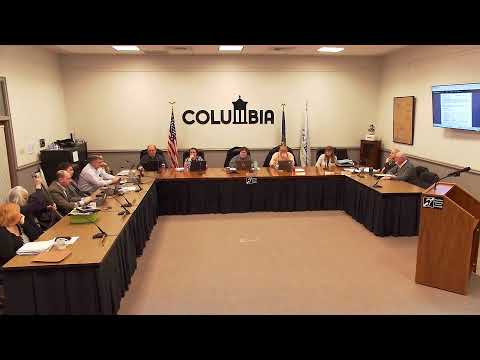
During the public-comment period on Feb. 11 resident Sharon Littner raised questions about legal bills and the borough's use of bond money and Community Development Block Grant (CDBG) funds.
Lede: Sharon Littner asked why the borough had paid a solicitor $525 for exchanges about election-related emails she said could have been collected from the borough website for free, and she pressed whether heavy equipment and asphalt paid with bond money had been reimbursed or instead left as a bond expense.
Nut graf: Littner also highlighted repeated invoices from an engineering firm during the bond-spending period and questioned whether a former planning-and-zoning staffer could have handled some of that work instead of contracting. Council members and staff explained differences between CDBG and liquid-fuels funds, the timing of bond spending, and how matching and reimbursement rules operate.
Details from the exchange: Littner said the solicitor told her he was asked who's term was up and who was running in the coming election and that the borough paid $525 for that work; she asked why that information could not be obtained directly from the borough website. Littner also said her right-to-know review showed heavy equipment and asphalt purchases billed to bond money and asked whether the borough would be reimbursed or whether liquid-fuels money should have been used.
Borough staff replied that CDBG funds are direct-pay program dollars and are not reimbursement grants in the sense Littner suggested. Staff explained it is common to use bond money when it is available (because bond funds often carry a time limit) and let liquid-fuels funds roll forward; in some projects the bond money was used to preserve balances in other funds. Staff acknowledged C.S. Davidson billed the borough many times during the bond spending period; the resident cited that firm being billed about 264 times across a several-year period.
Littner also asked about line items in the bills packet such as a $1,550 animal-shelter invoice and whether the borough recovers those costs when pets are reclaimed. Council and staff explained the borough pays shelter or veterinary costs and seeks to recover fees when owners reclaim animals; when an animal is abandoned the borough does not recover the shelter or fine amounts.
Ending: Councilmembers encouraged Littner to continue following up on the right-to-know materials and said staff would continue to clarify which funds paid for which project costs; no new action was taken at the meeting on the financial questions raised during public comment.