Get Full Government Meeting Transcripts, Videos, & Alerts Forever!
Get email alerts on the State Legislation topic
No spam. Unsubscribe anytime.
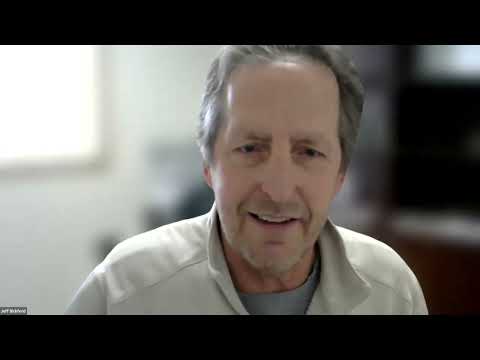
WSAC policy coordinator briefs Thurston SWAC on 2025 state solid-waste legislation: EPR, bottle bill and organics rules among top issues
Summary
Travis Dutton of the Washington State Association of Counties briefed Thurston County’s SWAC on early 2025 state proposals — including extended producer responsibility, a possible bottle-deposit program and House Bill 1497 updates to organics rules — and urged attention to funding impacts for county programs.
Travis Dutton, policy coordinator with the Washington State Association of Counties (WSAC), gave the committee an overview of early 2025 state legislation that could affect county solid-waste programs.
Dutton identified several headline bills and policy tracks:
- Extended producer responsibility (EPR) for packaging and paper: companion House and Senate bills would require producers to fund and implement recycling for packaging and paper. Dutton said counties generally support waste reduction goals but are concerned these proposals do not address the underlying revenue model counties use (tip fees and disposal revenue) to fund fixed costs such as landfill management, hazardous-waste programs and other county obligations.
- Improving Recycling / needs assessment bills: bills requiring a statewide recycling needs assessment would identify the investments and infrastructure needed to meet recycling targets. Dutton said one vehicle being considered would stop at an assessment while other proposals would pair the assessment with a mandatory EPR implementation.
- Recycling refund (bottle-deposit) proposal: a deposit-refund program (10¢ per container in the current proposal) would create a statewide system for container returns with convenience standards. Dutton said proponents argue a refund system aligns Washington with neighboring jurisdictions and increases container return rates, while counties are tracking potential cross‑border flows and administrative complexity.
- HB 1497 (Organics Management Act updates): Dutton said the bill would modernize the organics program and expand requirements in denser areas; one provision under discussion would standardize cart/container colors statewide. WSAC members raised concerns about the cost of replacing functional carts and the outreach burden for a statewide color standard; Dutton said the sponsor has been asked to consider alternatives.
Other items Dutton flagged included increased ecology enforcement authority for problem landfills, a right-to-repair electronics bill (supported by counties), proposals to address PFAS testing protocols with a focus on biosolids, and a product stewardship expansion to include electric-vehicle batteries. Dutton also said legislators are beginning conversations on textile stewardship (clothing).
Committee members asked questions about implementation details — for example whether HB 1497 would require immediate replacement of all carts (Dutton said replacement would roll forward as carts are replaced, not require immediate removal of serviceable containers). Members asked about the bottle-deposit bill’s cross-border leakage and whether EV battery stewardship would be structured as producer responsibility; Dutton said that EV batteries are being considered for inclusion in the existing battery stewardship program.
Why it matters: Dutton said counties want to support waste reduction policies but remain concerned about how loss of disposal revenue or shifted responsibilities could affect county-run obligations. WSAC plans a hill day outreach in early March for solid-waste managers and will continue to refine positions as bills move through committee.
Ending
Dutton provided his slides and offered follow-up to county staff and committee members; staff asked WSAC to continue coordination and to return with more legislative detail as bills advance through session.