Get Full Government Meeting Transcripts, Videos, & Alerts Forever!
Get email alerts on the Transportation Clean Energy topic
No spam. Unsubscribe anytime.
School committee approves multimillion-dollar EPA electric-bus grant; questions remain about ownership and contractor role
Summary
The Springfield School Committee voted to accept a multimillion-dollar Environmental Protection Agency grant to support electric buses, praising environmental benefits while members pressed for clarification about vehicle ownership, long-term costs and the contractor First Student’s role.
The Springfield Public Schools School Committee on Monday approved acceptance of a multi-million-dollar Environmental Protection Agency grant intended to support the purchase and deployment of heavy-duty electric school buses and related charging infrastructure.
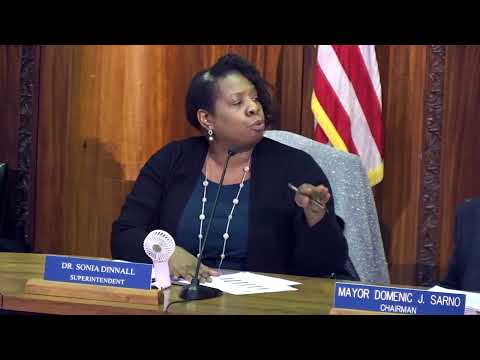
Superintendent Dr. Denaul praised the award as timely and aligned with the district’s environmental goals, saying, "These funds are right on time." She credited school and city staff, and specifically thanked Chief Pat Roach for the grant application work.
The vote followed a presentation and questions about how the buses would be operated. Chief Pat Roach said the district will partner with First Student for operations and that, based on First Student’s other accounts, "they will plug in the buses every night, and they also have some... plans for swapping batteries out when... a battery's running low," adding that buses would be charged between runs.
Vice Chair Monroe Naylor and other committee members pressed for clarity on vehicle ownership and longer-term contract implications. Naylor said committee members raised concerns in subcommittee about whether reliance on First Student for vehicles and charging infrastructure would effectively require the district to continue the contractor relationship after the current contract expires.
Mayor Sarno and others noted the grant's potential to reduce the district’s carbon footprint. But Sarno acknowledged broader fiscal concerns, saying discussions with city officials have considered the city's contract costs: "It's a budget buster about $42,000,000," he said, noting that the city and school officials have talked about ways to reduce that cost and consider alternate approaches when the contract comes up for renewal.
Committee members also emphasized that deployment will take time. Naylor and others reminded the body that infrastructure work and fleet turnover are multi-year efforts. Roach confirmed the district has not yet drawn down any grant funds.
The motion to approve acceptance and expenditure as read on the agenda passed on a roll-call vote with all members voting yes.
Despite unanimous approval, multiple members asked staff to return with written clarifications about ownership, the contractual arrangements with First Student, and who would ultimately control and maintain vehicles and charging infrastructure when contracts expire.
The committee asked that those clarifications and any small language edits be completed before final implementation steps, with a timeline that several participants said would likely take years to complete.
Ending: The district will move forward under the grant while staff and city counsel continue to clarify ownership and contracting issues; committee members asked for follow-up details to be presented before major procurement or infrastructure commitments.