
IBB panel in Roaring Fork green-lights district-wide compensation review, schedules budget summit with CFO
Get AI-powered insights, summaries, and transcripts
Sign Up Free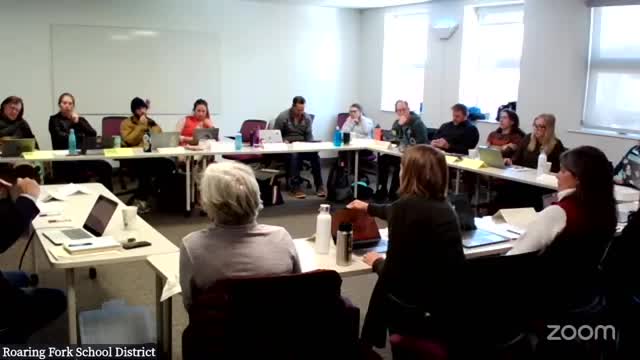
Summary
District staff and IBB representatives voted to take on a full compensation review — including salary and benefits — as a standing IBB interest; they scheduled a budget 'summit' presentation by the district finance team and agreed to follow-up meetings to translate finance projections into negotiation options.
Roaring Fork School District No. Re-1 interest‑based bargaining representatives agreed to carry forward a district-wide review of salary and benefits as a primary IBB interest and scheduled a budget summit to align negotiations with the district’s finance outlook.
Why it matters: The district is facing an enrollment-related revenue decline and health-insurance cost pressures that participants said could amount to multi‑million‑dollar shortfalls across fiscal 2024–25 and 2025–26. IBB members said they want to protect total compensation (salary + benefits) while understanding tradeoffs the district may request during budget negotiations.
At the meeting, Chief Financial Officer Christie Babson said the district’s most up‑to‑date projection showed a multi‑million dollar gap that the administration is working to close. ‘‘I’m gonna watch every minute of this meeting today,’’ Babson told IBB members, promising to review the group’s testimony while finishing budget analyses. The group set a budget ‘summit’ presentation for the week of Jan. 30 and agreed to follow‑up committee meetings to translate the finance picture into potential IBB options.
What was decided: The full IBB group voted to treat compensation ("creating a competitive full package of salary and benefits") as a committee-level interest to be handled by the full certified committee, with the option to bring specific technical questions to smaller working subcommittees. The finance team will present a budget summit that includes revenue projections, enrollment sensitivity, and health insurance scenarios; after that presentation IBB subgroups will draft negotiation options informed by a range of fiscal scenarios.
Key context and quotes: Attendees said the district’s projected losses are driven by (a) lower student counts than budgeted, (b) carryover expenditures and (c) insurance experience. Babson and staff emphasized the projections are time‑sensitive and contingent on state funding outcomes. As one teacher put it about the district’s fiscal choices, “If we are approaching this with a student‑centered view, we have to be very clear about what’s non‑negotiable.”
Process and timeline: The district’s CFO and consultant (Shannon) will brief the full IBB on projected revenue and expense scenarios at the January budget summit; certified and classified salary subcommittees will then meet (committee meeting dates penciled in for early February and mid‑February). The IBB group requested that the external systems review and any forthcoming audit/findings be included in the finance presentation so committees draft options on consistent assumptions.
Ending: The IBB group agreed to work collaboratively but emphasized transparency about what would require contract changes (MOU or reopening) versus procedural/regulatory responses. The committee asked district finance to produce scenario modeling so members can evaluate tradeoffs against compensation priorities.