Get Full Government Meeting Transcripts, Videos, & Alerts Forever!
Get email alerts on the Vacant Buildings Ordinance topic
No spam. Unsubscribe anytime.
Committee votes to remove fees from downtown vacant‑building ordinance, recommends further amendment
Summary
After property owners and business‑district representatives criticized implementation details, the committee moved to remove fees tied to the 2021 downtown vacant‑building ordinance and asked staff to work with the Business Improvement District on amendments or repeal.
The Laredo Economic Development Committee on Jan. 23 voted to remove fees from the downtown vacant‑building ordinance and recommended the city work with the Business Improvement District to develop an updated approach to tracking vacancy rates.
Members and downtown property owners criticized the ordinance's implementation and said it departed from the original intent when adopted in 2021. Speakers said the ordinance was intended to create a registry of vacant properties so the city could track vacancy trends; property owners said they were told self‑reporting in year one would carry no fees, but that the currently drafted ordinance imposes fees in later years and ties fee waivers to a city response timeline.
“Once you read through it, it's so pretty much… if you self reported, you know, and the city doesn't have to go out there and do the study, then you don't have to pay a fee,” a business improvement district representative said, describing the initial intent. The same speaker added that a Main Street‑commissioned vacancy study had already found downtown vacancy above 40 percent, contradicting an earlier Webb County Appraisal District figure of about 20 percent.
Property owners and business‑district representatives called the ordinance punitive and said fees collected were placed into the general fund rather than being dedicated to downtown programs. A downtown property owner urged reverting to the original self‑reporting approach and creating incentives to encourage registration rather than penalties for nonreporting.
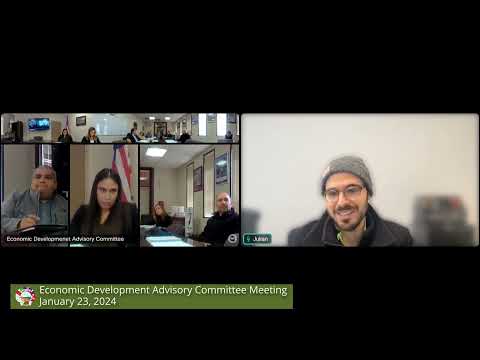
Committee member Julian (committee member) made a motion to remove all fees going forward and to direct the city to work with the Business Improvement District to develop a process to update vacancy rates year‑over‑year. The motion was seconded and passed by majority vote. Committee members discussed two procedural options: amending the ordinance to remove fees or repealing it and replacing it with a revised ordinance; staff noted either course requires ordinance readings and council action.
The committee recommended immediate removal of fees to “remove the teeth” of the current ordinance while staff and stakeholders craft an amendment or replacement that would provide outreach and incentives to property owners. Staff also noted that the earlier Main Street contract had been a one‑time vacancy study supported by two university‑paid interns and that outreach promised when the ordinance was adopted had not been completed.
Action: motion to remove fees and work with the Business Improvement District — motion passed by majority.