Get Full Government Meeting Transcripts, Videos, & Alerts Forever!
Get email alerts on the Civil Rights Remedies topic
No spam. Unsubscribe anytime.
Oregon senators hear divided testimony on bill to create state-level civil remedy for rights violations
Summary
Senate Bill 65, which would create a state-level civil cause of action for deprivation of rights under the Oregon Constitution and state law, drew supporters who called it a remedy gapfix and local-government representatives who warned it would expand costly litigation.
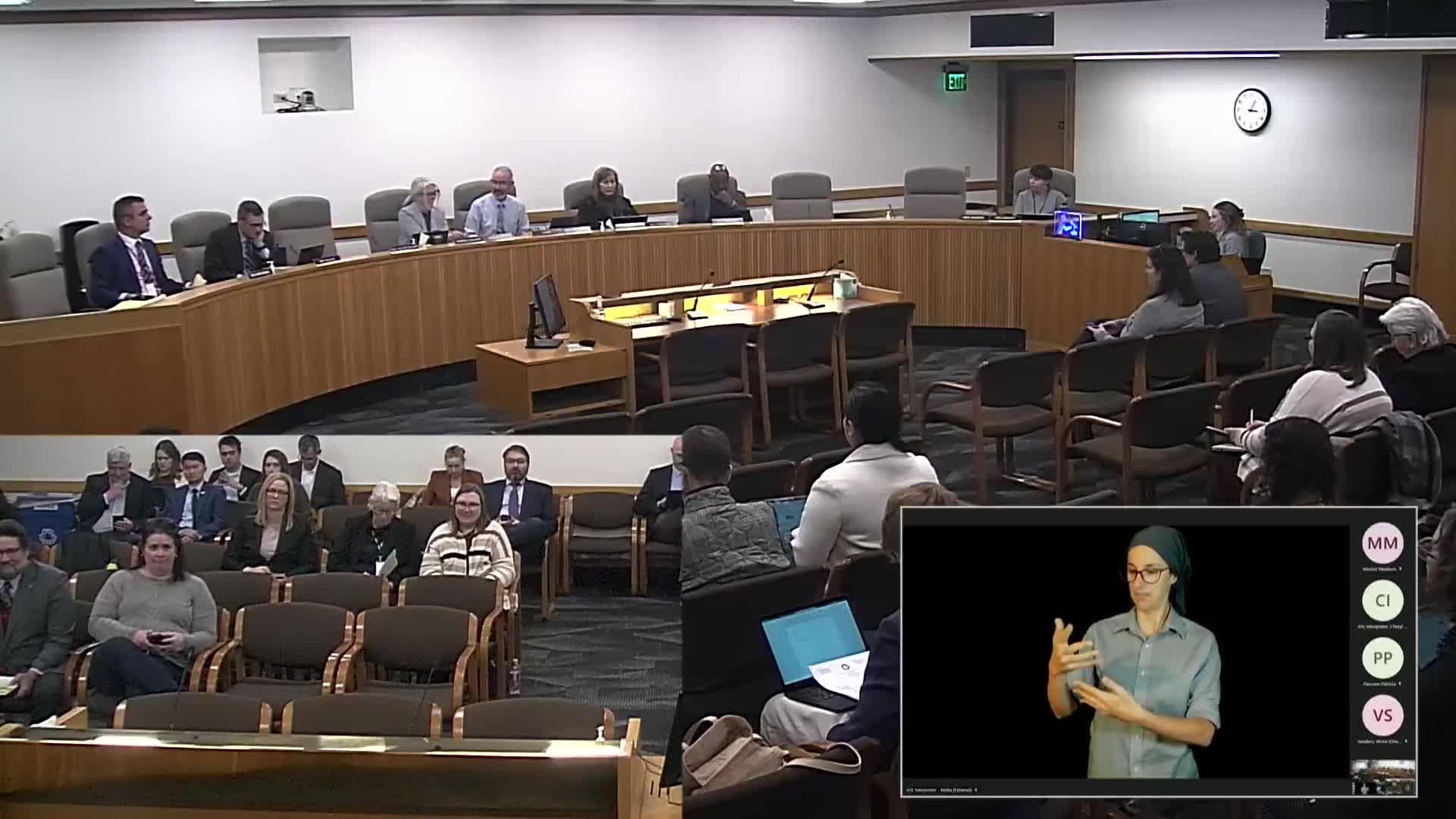
Senate Bill 65, which would create a state-level civil cause of action for deprivation of rights under the Oregon Constitution and Oregon law, drew supportive testimony from civil-rights advocates and concerns from municipal and county groups during a Feb. 10 public hearing before the Senate Committee on Judiciary.
The bill "creates a civil cause of action for the deprivation of any rights, privileges, or immunity secured by the Oregon constitution or Oregon laws by another person who is acting under color of state or local laws, ordinances, or rules," according to the committee staff summary presented at the hearing.
The measure would allow plaintiffs to seek economic and noneconomic damages, injunctive and other equitable relief, and attorney fees and costs for prevailing plaintiffs; it also permits courts to award attorney fees to prevailing defendants if a claim is found frivolous.
Senator Caden (State Senator, Senate District 6), the bill sponsor, said the proposal is intended to align state remedies more closely with federal practice. "In broad strokes, I guess we say at a 30,000 foot level, yes. That's the intent," he said, referring to modeling parts of the bill on the federal statute commonly cited as 42 U.S.C. §1983.
Jessica Maravilla, policy director for the ACLU of Oregon, testified in strong support and framed the measure as restoring meaningful remedies: "The reality is that rights without remedies are no rights at all," she said, urging the committee to pass the bill so Oregonians have a clear pathway to accountability.
Opponents warned of fiscal and administrative consequences for local government. Scott Winkles, representing the League of Oregon Cities, said the bill "would create, many, if not hundreds of new avenues for local governments to be sued," and that awards and attorney fees could negatively affect public services. Justin Lowe, legislative affairs manager for the Association of Oregon Counties, told the committee the proposal "would significantly expand the ability for individuals to bring civil lawsuits against county governments and employees acting in their official capacities," potentially increasing legal defense costs and diverting funds from services.
Committee members asked whether the bill would in practice duplicate existing federal remedies. Senator Caden and other witnesses affirmed the bill is intended to mirror procedural features of federal 42 U.S.C. §1983 while applying to violations of the Oregon Constitution and state law; they acknowledged attorneys will parse where alignment is straightforward and where complications may arise.
The committee closed the public hearing with no formal action taken on Senate Bill 65; members heard a range of perspectives and indicated follow-up questions might be circulated to witnesses and counsel.
SB 65 received public testimony from civil-rights groups, municipal and county representatives, and the bill sponsor; no vote or amendment occurred during the Feb. 10 hearing.