Get Full Government Meeting Transcripts, Videos, & Alerts Forever!
Get email alerts on the Bridge Meadows Intergenerational Housing topic
No spam. Unsubscribe anytime.
Committee hears funding request for Bridge Meadows intergenerational housing model; sponsor cites cost savings and expansion plans
Summary
Supporters asked for funding to expand Bridge Meadows’ intergenerational communities that pair elders with families involved in foster care; sponsor and guests described program outcomes, projected unit counts and year-one uses for a $1 million request. Committee heard testimony and questions; no vote was taken.
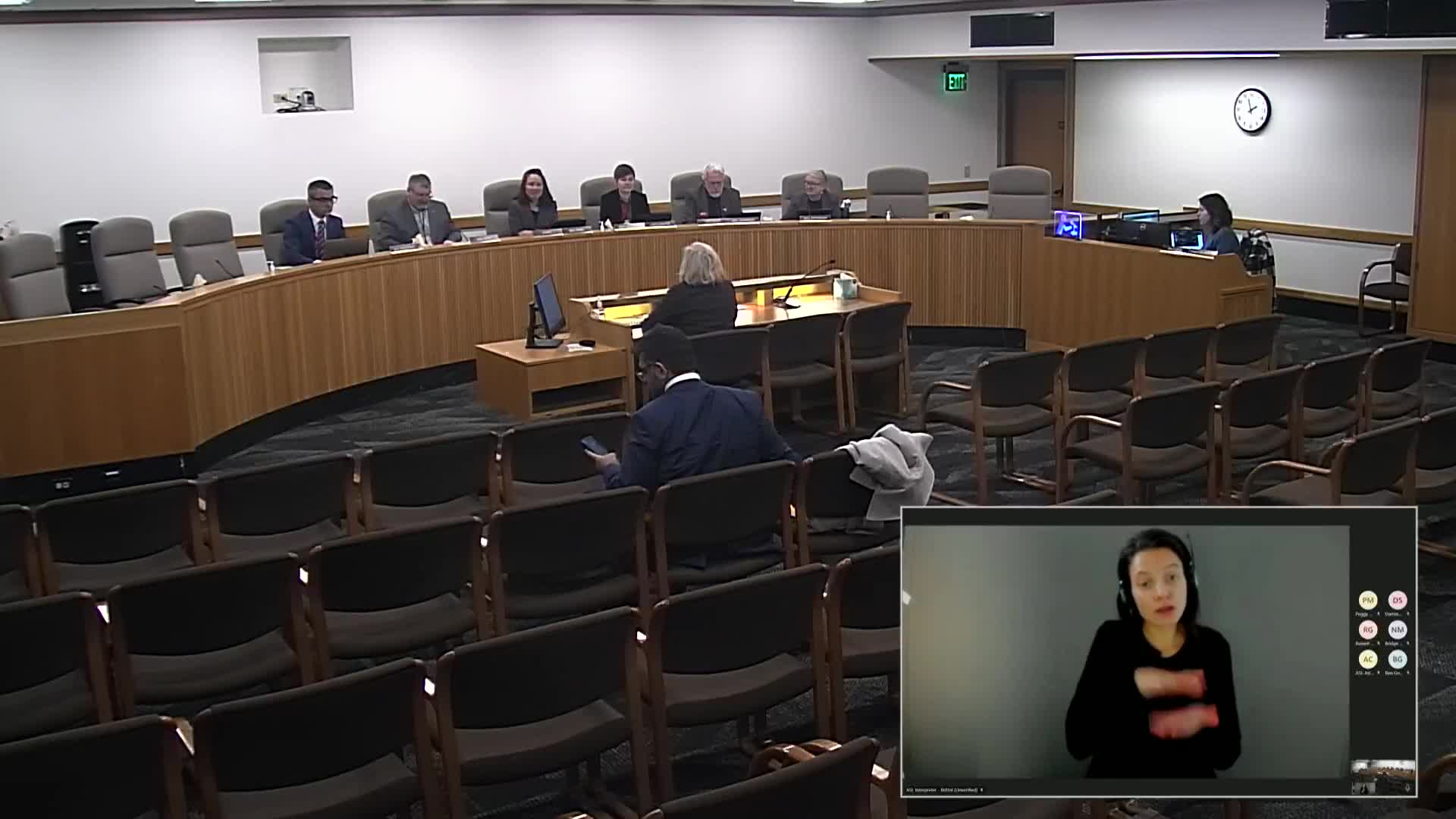
Senate Bill 229 drew testimony on Feb. 10 from Bridge Meadows leaders and residents seeking state support to expand intergenerational housing that pairs elders with families impacted by foster care.
Dr. Dorinda Schubert, Bridge Meadows’ executive director, described the nonprofit’s model of co-locating elders and families and providing integrated behavioral-health and support services. “For every child placed in a permanent family at Bridge Meadows, we save the Human Services System $439,000 annually in foster care payments,” Schubert said, and she added Bridge Meadows has claimed cumulative savings of $35 million to date. She said the requested funds would support expansion into new cities and predevelopment costs.
Sen. James Manning, sponsor and chief co-sponsor on the floor, said the model promotes stability for youth, helps reunify families and can address homelessness among young people. Bridge Meadows’ witnesses and residents described lived experience in existing sites; Peggy Malloy and Natalia Payne recounted personal and family benefits, including access to gardens and community resources.
Committee members asked about the dollar amount and expected housing output. Schubert and Sen. Manning said the funding request of $1 million would be used for predevelopment, applications to low-income housing tax credit programs and operational startup support; they estimated future community sites could contain roughly 60–80 units depending on site configuration and funding sources. Schubert said Bridge Meadows would pursue tax-credit financing and philanthropic and municipal support in addition to this state funding.
The hearing included questions about eligibility and income targeting. Schubert said families come through the child-welfare system; elders pay rent and income limits for tax-credit projects would shape occupancy rules (e.g., 60/50/30 percent AMI tiers referenced in testimony). No committee vote was taken; the public hearing closed without formal action.