Get Full Government Meeting Transcripts, Videos, & Alerts Forever!
Get email alerts on the Eviction Prevention topic
No spam. Unsubscribe anytime.
Good Samaritan urges continued funding for Ottawa County eviction-prevention program after reporting near-term gains
Summary
Good Samaritan presented results from the Ottawa County Eviction Prevention Program (OSEP), reporting a high housing-stability rate for clients and asking the county to consider continued ARPA or other funding as the program’s current funds near exhaustion.
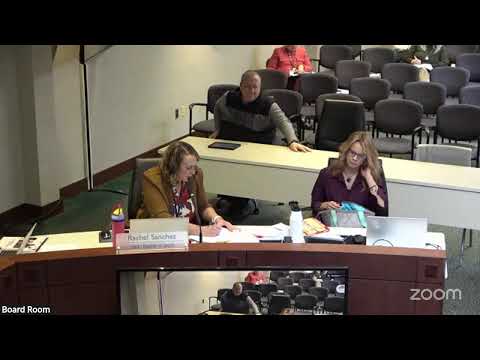
Good Samaritan representatives briefed the Ottawa County Finance & Administration Committee on the Ottawa County Eviction Prevention Program (OSEP), described program results and challenges, and asked the county to consider continuing funding.
Brian DeBosse, representing Good Samaritan, said the organization’s mission is to “end poverty and homelessness in a partnership with our community,” and described OSEP as a collaboration between Good Samaritan, the district court, and the Office of Strategic Impact. He said the program focuses on residents at or below 50% of area median income and provides targeted payments and housing navigation to stop evictions.
DeBosse told the committee Good Samaritan answers “a little over 4,000” hotline calls a year and served “about a thousand of those calls.” He said OSEP participants saw a near-term jump in stability: “We increased housing stability in OSEP by 98%,” meaning most clients in the program remained housed over the period measured. DeBosse said the program also reduced court time by allowing staff to work with judges and referred tenants before cases completed the court process.
Why it matters: OSEP seeks to reduce evictions, trauma to families and pressure on emergency services, and to limit court caseloads. DeBosse and other speakers said rising rents, limited low-cost rental stock and rising childcare and transportation costs are driving more households into instability. He said the program screens applicants for eligibility and pays only for qualifying households, noting that many callers are screened out for not meeting the program’s income or residency criteria.
Program operations and limits: Good Samaritan staff described OSEP as typically engaging clients for a minimum period (DeBosse said their involvement is generally “a minimum of 3 months”), with case-by-case variation after that. The group said an original client-payback element of the program produced mixed results: some participants repaid part of the assistance but many could not because of very tight household budgets (examples included retirees on small checks and households living paycheck to paycheck).
Funding request and next steps: DeBosse said the program’s funding is scheduled to run out “the September year” (as stated to the committee) and asked the board to “consider funding at some level for this to continue.” He proposed redesigning the program toward earlier intervention, adding incentives for program participation and keeping flexible funds for diverse emergency needs (car repair, utility payments, short-term unemployment). He also said Good Samaritan uses other community resources first before OSEP funds and is exploring employment supports and smaller home-ownership pathways for clients.
Committee response: Vice Chair Commissioner Zalstra thanked Good Samaritan and noted the organization was one of the county’s ARPA partners; the vice chair said the committee had invited ARPA grantees to report how they used funds. Commissioners asked operational questions — including how many residents were served (Good Samaritan reported “1,376 residents” as the number of residents reached, with household counts not specified) and whether financial-management or budgeting classes are part of the program. DeBosse said Good Samaritan provides housing-stability plans and partners with community organizations for financial coaching, but keeping participants engaged after a crisis remains a challenge.
Outstanding details: Good Samaritan listed funding sources for its services as MSHDA, HUD, county and private contributions and community foundations, and said OSEP is privately funded in part. DeBosse asked county staff to work with Good Samaritan and the county’s Office of Strategic Impact to design a more sustainable model and offered to bring a refined proposal back to the board.
Ending: The committee did not take formal action on Good Samaritan’s request at the meeting. Members thanked the presenters and said staff would continue to review OSEP funding options and program design changes.