Get Full Government Meeting Transcripts, Videos, & Alerts Forever!
Get email alerts on the Infant Surrender topic
No spam. Unsubscribe anytime.
Committee sends ‘baby box’ concept to public hearing after debate over anonymity and hospital costs
Summary
The Committee on Children voted to raise an act authorizing hospitals to install exterior devices to facilitate voluntary infant surrender. Lawmakers debated existing safe-haven statutes, anonymity, hospital fiscal impacts and statistics on surrenders; the motion passed on a roll-call vote and will go to public hearing.
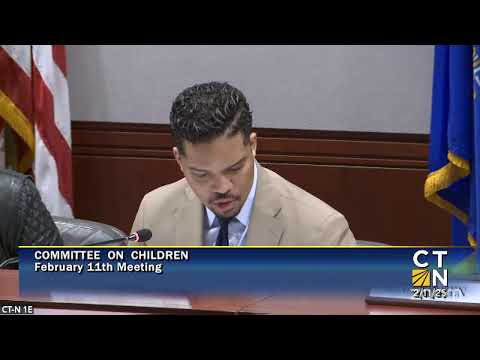
Hartford — After extended debate, the Connecticut General Assembly Committee on Children on Tuesday voted to raise a bill that would authorize hospitals to install exterior devices, often called “baby boxes,” to facilitate the voluntary surrender of infants to emergency department staff and move the concept to a public hearing.
Representative Martinez moved the concept and Representative Dauphine seconded. Supporters argued the devices can save infants’ lives by providing an anonymous, immediate option outside a staffed hospital entrance; critics warned the measure could create costly structural mandates for hospitals, duplicate existing safe-haven protections and interfere with bonding and warm handovers.
Senator Marr, who said she helped put current surrender rules into statute, noted that “in the 25 years since we put this statute in place, there have only been 57 babies surrendered to social workers in the hospital in the emergency room.” She said social-work teams are trained and the process is reviewed by the Joint Commission.
Representative McGee said the boxes offer an anonymous option and pointed to media reports of infants found in unsafe locations; Representative Dauphine said the boxes are paid for by private organizations and not taxpayers, that they meet stringent technical standards, and urged the committee to hold a hearing so the legislature could examine pros and cons. Several members, including Representative Wheatlander and Senator Cohen, said they were concerned about hospital fiscal constraints and would vote no on sending the concept to a hearing.
The clerk called the roll. The recorded votes on the motion to raise and send the concept to a public hearing included: Representative Farris (no); Senator Marr (no); Representative Wheatlander (no); Senator Cohen (no); Representative Dauphine (yes); Senator Martin (yes); Representative Boyd (yes); Representative Comey (yes); Representative Kitt (yes); Senator Kushner (no); Representative Lanou (yes); Senator Marks (no); Representative Martinez (yes); Representative Mastro Francesco (yes); Representative McGee (yes); Representative Pezzuto (yes). The motion carried and the concept was set for public hearing.
Committee members emphasized this was a concept to be heard, not final statutory language; supporters and opponents requested a public hearing to present evidence on safety outcomes, costs, anonymity, and existing safe-haven law implementation.