Get Full Government Meeting Transcripts, Videos, & Alerts Forever!
Get email alerts on the Federal Permitting Costs topic
No spam. Unsubscribe anytime.
Witness says federal permitting delays raise costs for rural electric cooperative members
Summary
At a House Transportation and Infrastructure Committee hearing, a committee member asked who bears the cost of delays tied to federal permitting programs such as Clean Water Act Section 404 permits and the Endangered Species Act.
At a House Transportation and Infrastructure Committee hearing, a committee member asked who bears the cost of delays tied to federal permitting programs such as Clean Water Act Section 404 permits and the Endangered Species Act.
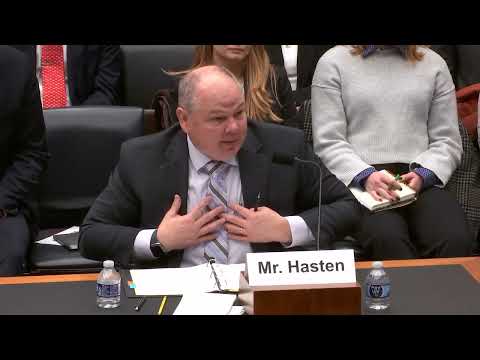
Mister Jason, a witness representing an electric cooperative, told the committee those costs are passed on to the cooperative’s members. “Every cost I get ultimately gets passed directly on to those members, the members of the community that we serve,” he said. He added that the cooperative covers additional costs by adjusting rates: “we will set electric rates to cover the cost of service.”
The exchange clarified that the witness views permitting-related delays and compliance costs as ultimately affecting customers served by the cooperative. The committee member framed the effect of permitting delays as acting “as a hidden tax on rural America;” Mister Jason agreed.
The discussion was limited to questioning and witness response; no formal action or vote was recorded in the transcript excerpt. The record does not specify dollar amounts, a timeline for permit approvals, or how often the cooperative raises rates in response to permitting costs.
The exchange highlights a concern raised at the hearing about how federal permitting and environmental compliance costs are allocated in practice, and who ultimately bears them in rural communities served by electric cooperatives.