Citizen Portal

Witness says 2023 Section 401 rule risks expanding state review beyond congressional intent

2266772 ยท February 11, 2025

Get AI-powered insights, summaries, and transcripts

Subscribe
AI-Generated Content: All content on this page was generated by AI to highlight key points from the meeting. For complete details and context, we recommend watching the full video. so we can fix them.

Summary

A witness testifying before the House Transportation and Infrastructure Committee said the Biden administration's 2023 rule on Clean Water Act Section 401 certifications could be misapplied to require broader state review and invite third-party litigation, potentially affecting water storage and energy projects.

A Committee member of the House Transportation and Infrastructure Committee asked a witness whether the Biden administration's 2023 rule on Clean Water Act Section 401 certifications expanded the scope of Section 401 review beyond congressional intent.

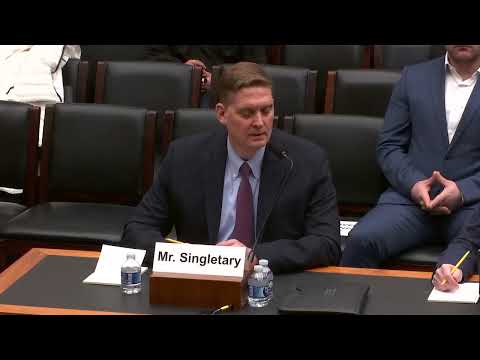
The witness, identified in the hearing transcript as a state government representative from Oklahoma, said that they believe the rule has the potential to be misapplied. "We, we believe that there's the potential for that to be misapplied and go beyond impacts that are, clearly associated with a proposed project and, and taken to other, you know, downstream activities that may occur as a result of a project, but maybe aren't specifically related to that project. We think that potential is definitely there," the witness said.

Why it matters: The witness warned that a broader interpretation of Section 401 review could allow third parties to use the state certification process to press for consideration of impacts not directly tied to a specific project. "Some third party who may have an interest in stopping that project could try and utilize our 401 review," the witness said, adding that any state decision would be subject to appeal and could be taken to court.

In more detail, the witness told the committee that Oklahoma ties its Section 401 reviews to "specific water quality impacts coming from a proposed project," but that a broader federal rule might enable challengers to force states to expand their reviews to downstream or ancillary activities. The Committee member responded by saying they view Section 401 as having been "weaponized" to prevent needed water storage and energy projects and expressed a desire to work with the witness and other committee members to clarify and streamline the 401 process.

The exchange in the hearing record was a discussion of concerns and possible next steps; no formal committee vote or directive was recorded in the transcript excerpt.