Get Full Government Meeting Transcripts, Videos, & Alerts Forever!
Get email alerts on the Medical Debt topic
No spam. Unsubscribe anytime.
House committee rejects bill to delay medical debt collections and limit garnishments
Summary
House Bill 273, the Montana Medical Debt Patient Protection Act, failed second reading after debate over its protections for patients, effects on providers, and cost-shifting to other payers.
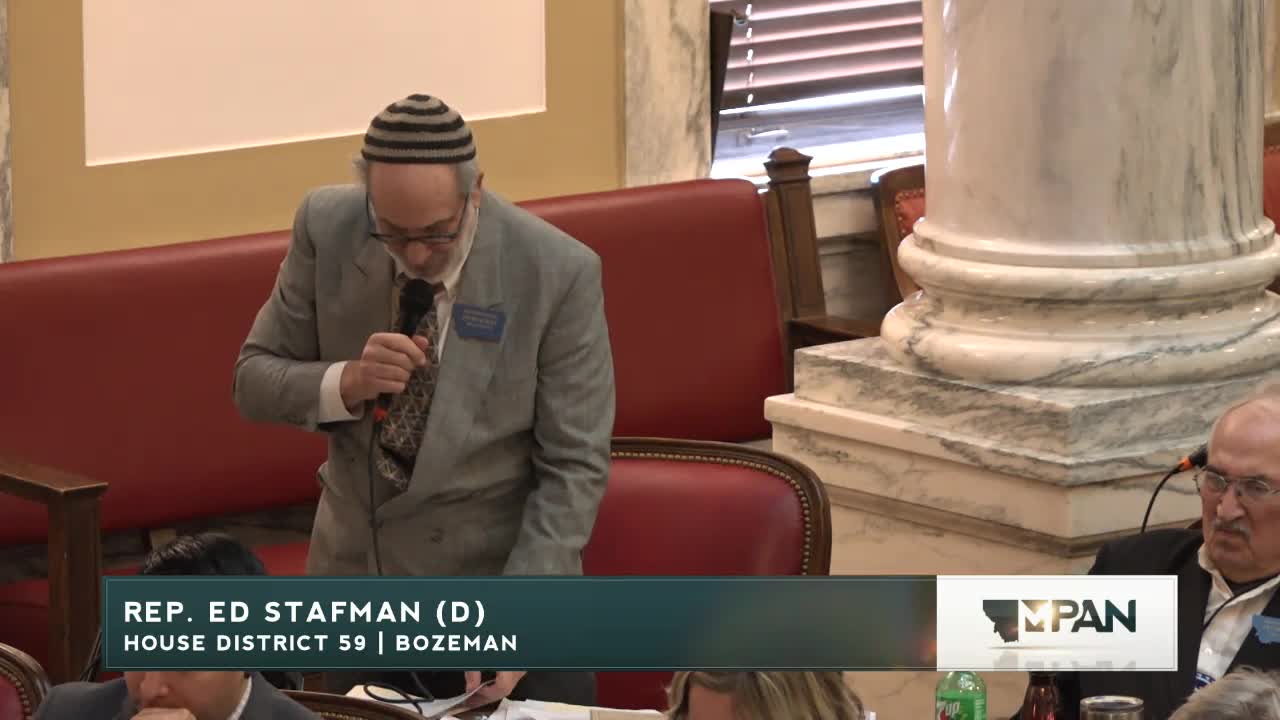
Representative Stefan Staffman presented House Bill 273 as a response to medical-debt harms he said constituents reported in door knocks and a committee hearing. The bill would require 120 days before a provider could take extraordinary collection actions, pause collections during insurance appeals, limit credit reporting and wage garnishment, protect a primary residence from foreclosure, and require that collection proceedings leave at least $3,000 in a bank account.
"No one chooses to get sick or have an emergency medical event," Staffman said. He said testimony at the hearing included the Leukemia Society, AARP, Disability Rights Montana and Native American community representatives and that the bill follows practices used in other states.
Representative Carla Lawrence Crow (Speaker identified in transcript as Representative Crow) described personal medical bills she received after extensive treatment: a roughly $8,000 in-home nursing cost not covered by insurance or IHS, and later a $78,000 hospital bill she said was denied by Blue Cross Blue Shield and Indian Health Service before partial payment. She said the bill "does not erase the debt" but provides time and protections to resolve disputed bills.
Opponents warned the bill would shift costs to other consumers, burden small providers, and complicate banking and collection processes. Representative Etchhart said the change would force small medical providers to shoulder unpaid bills and noted existing federal consumer protections; Representative Obblancer and other small-provider speakers said the bill could limit providers' ability to collect legitimately owed balances.
On the motion to recommend do pass, the clerk recorded 46 votes in favor and 54 opposed; House Bill 273 failed second reading in the committee and did not advance further that day.