Get Full Government Meeting Transcripts, Videos, & Alerts Forever!
Get email alerts on the Criminal Justice Supervision topic
No spam. Unsubscribe anytime.
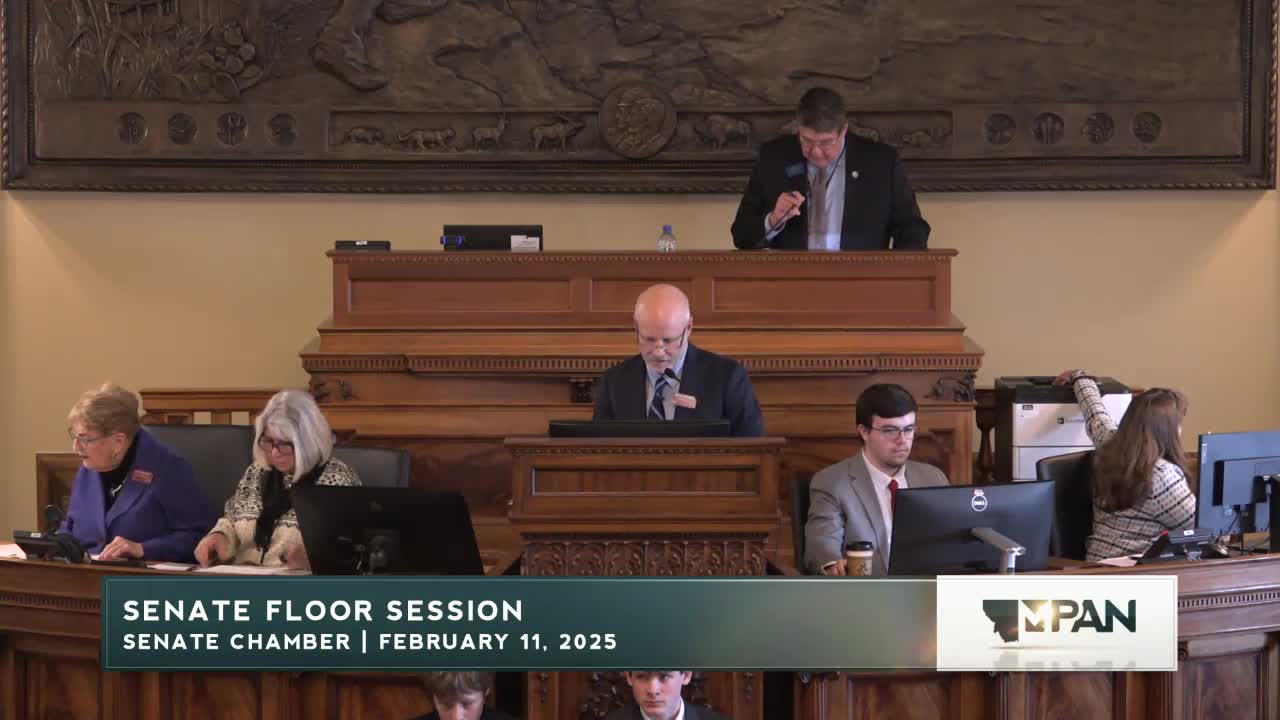
Senate passes amended bill letting supervision officers seek removal of outdated parole/probation conditions
Summary
Senate Bill 70, amended to require victim notification when supervision conditions are removed, passed committee on second reading after an amendment passed 48–2 and final committee vote passed 47–3; the bill creates a streamlined process for probation/parole officers to remove conditions that are no longer necessary.
Senate Bill 70, which creates a streamlined process for probation and parole officers to remove supervision conditions that are no longer relevant to an individual's rehabilitation or public safety, passed the committee on second reading after floor amendment and recorded votes.
The nut graf: sponsors and supporters described the change as a procedural efficiency intended to free officer time to focus on higher‑risk cases, while maintaining notice and opportunity for objection by the sentencing court and county attorney; the amendment added a notification requirement for victims in the affected jurisdiction.
Senator Lamers sponsored an amendment that the committee adopted requiring that victims be notified when officers propose removing a condition; the amendment passed the committee 48–2. After limited debate, the committee then recorded a final recommendation to pass the bill as amended with a recorded tally of 47 yeas and 3 nays on the committee motion to recommend do pass.
Under the bill as amended, an officer may notify the sentencing court and county attorney of an intention to remove a condition; if no party objects within 14 days, the condition may be removed without a hearing. If an objection is filed, the court must hold a hearing. The amendment inserted explicit victim notification into the notice process.
Supporters said the change helps officers reallocate time from low‑value enforcement toward higher‑need supervision. Opponents raised concerns about procedural safeguards; the amendment was intended to address at least one procedural concern by ensuring victims receive notice.
Committee votes: amendment adopted 48–2; final committee recommendation to pass as amended recorded 47–3. The bill proceeds to further Senate consideration.