Get Full Government Meeting Transcripts, Videos, & Alerts Forever!
Get email alerts on the Unemployment Insurance Policy topic
No spam. Unsubscribe anytime.
House approves bills tightening unemployment-fraud penalties and moving UI rules into statute
Summary
The House approved House Bill 53, increasing penalties and categorizing unemployment-insurance fraud, and House Bill 54, which moves many unemployment rules into statute; both passed 70-0 on Feb. 11, 2025.
The Idaho House of Representatives approved two measures responding to Department of Labor concerns on Feb. 11, 2025: House Bill 53, which revises penalties and classifications for unemployment-insurance fraud, and House Bill 54, which transfers many unemployment rules into statute. Both measures passed the House by recorded votes of 70-0.
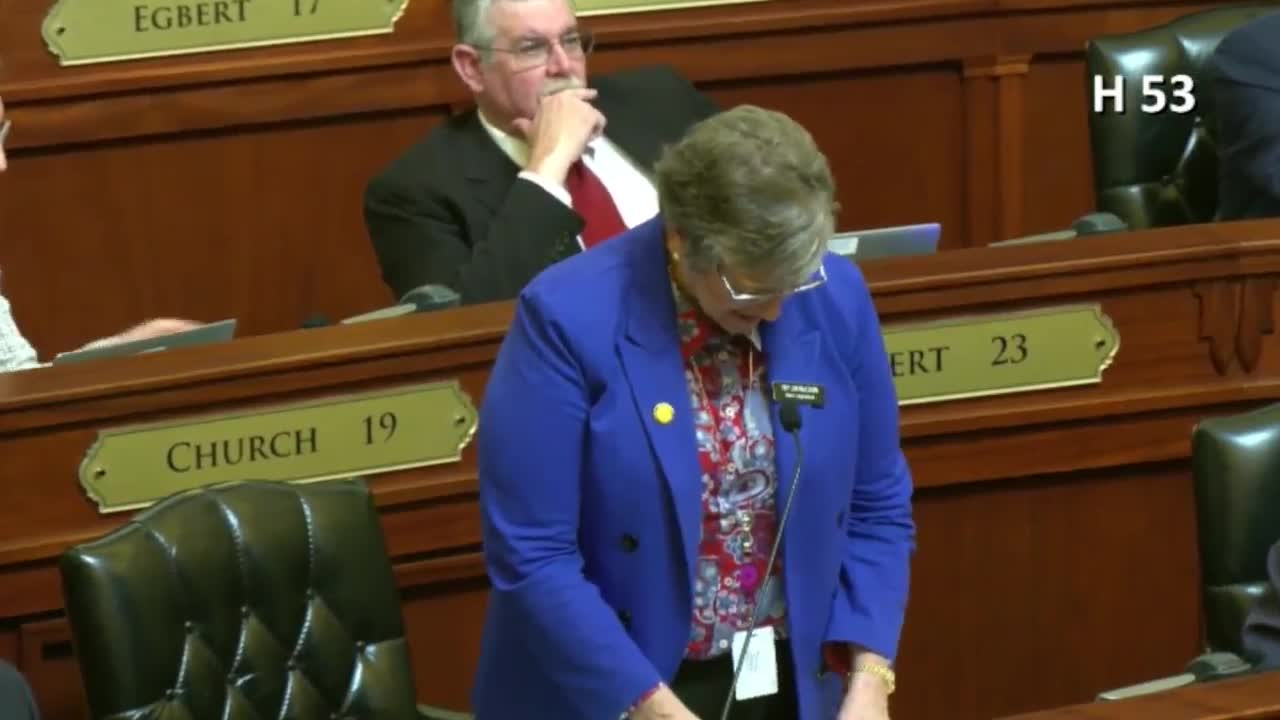
A representative identified in the floor record as the member from District 6 presented both bills and described HB 53 as clarifying statutory terms, raising penalties for repeat fraud and adding categories for misdemeanor and felony fraud. The presenter said the measure creates graduated penalties — including payback of benefits with escalating percentage penalties and multi-year disqualifications — and added a restitution remedy for identity-theft victims.
On HB 54 the presenter said the Department of Labor and the legislature’s earlier actions prompted transferring much of the agency’s rule text into statute to provide a single, consistent legal location after the Legislature removed judicial deference to agency interpretation. The presenter said the change would eliminate roughly 65% of agency rules by codifying them in statute and asserted no fiscal impact to the general fund, noting some dedicated funds are federal.
Both bills proceeded to roll-call votes after sponsor remarks. The clerk’s roll showed 70 ayes and no nays on each bill. Both bills will be transmitted to the Senate for further consideration.
Floor remarks for these bills were primarily explanatory; no amendments or extended debate were recorded on the House floor during the presentation and votes.