Get Full Government Meeting Transcripts, Videos, & Alerts Forever!
Get email alerts on the Election Day Holiday topic
No spam. Unsubscribe anytime.
Committee holds bill to make Election Day a state holiday after debate over cost and turnout
Summary
Representative Wilcox's proposal to make Election Day a state holiday (HB 351) was held by the committee after members questioned economic impact, turnout goals and statutory leave protections for employees; a roll-call style vote recorded mixed support and the motion to hold passed.
A proposal to recognize Election Day as a state holiday sparked extended debate over the fiscal impact and whether the change would increase voter turnout. Representative Wilcox sponsored HB 351, saying the aim is to make voting more accessible by removing work‑time barriers for in‑person voters.
Committee members asked whether the holiday would require paid leave for private employees and how it would affect schools, banks and other businesses. Representative Schallenberger asked whether Utah law already requires employers to provide time off to vote; Representative Schallenberger later cited Utah Code §20A-3a-105 as requiring employers to allow at least two hours of paid time off to vote.
Opponents of making Election Day a state holiday raised concerns about economic cost. Representative Schallenberger outlined a rough estimate based on Utah’s gross state product that a new state holiday, if scaled to a large portion of the private sector, could imply an economic impact measured in the hundreds of millions of dollars; Representative Shelley noted a fiscal analysis estimating an $8 million cost to the state payroll. Supporters, including Representative Mauna and Representative Miller, emphasized access and civic participation, with community organizers noting that the change could reduce burdens on organizers who transport voters to polling places.
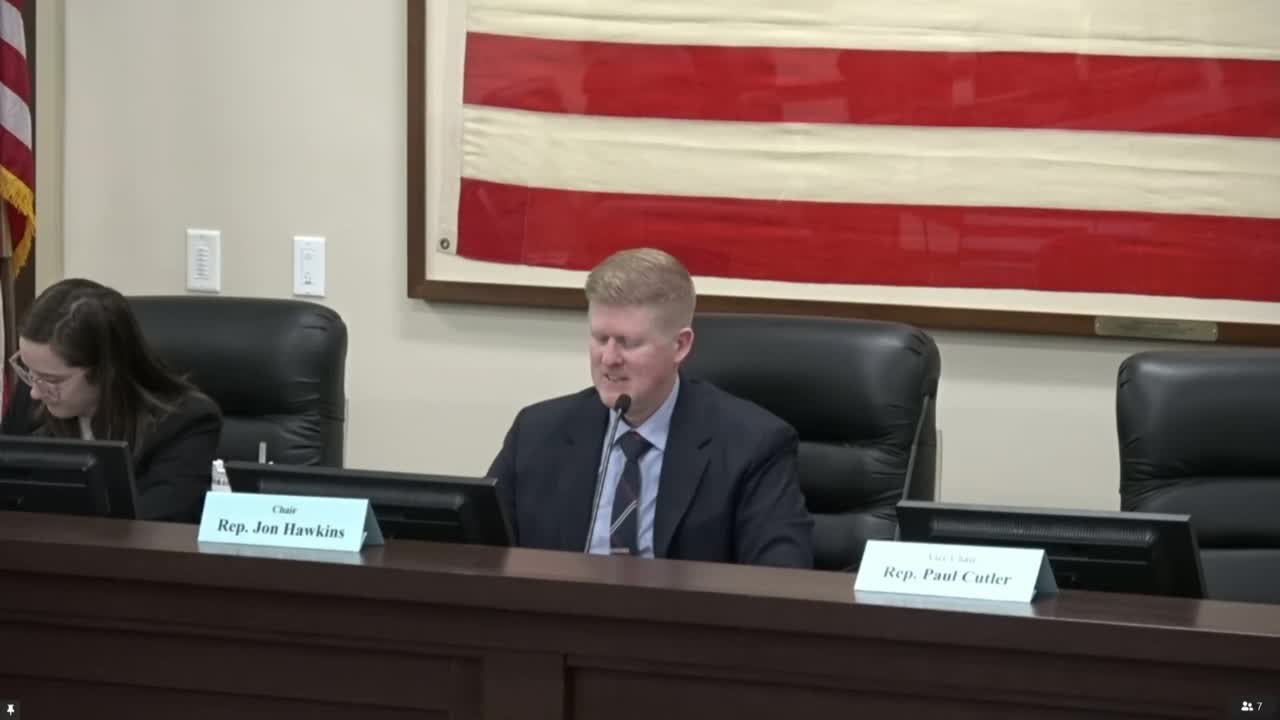
After public comment in favor from residents and an online witness, Representative Schallenberger moved to hold the bill for further work. The motion passed following a roll-call style procedure; committee leadership announced that Representatives Mauna, Miller and Hawkins voted against the hold motion, while others voted in favor and the committee voted to hold HB 351.
The committee did not approve the bill; lawmakers asked for more analysis of fiscal impacts, statutory leave protections and whether the change would materially affect turnout given existing voting options such as early in‑person voting and ballot drop boxes.