Get Full Government Meeting Transcripts, Videos, & Alerts Forever!
Get email alerts on the Beekeeping Veterinary topic
No spam. Unsubscribe anytime.
Committee backs bill letting veterinarians prescribe for beekeepers without on-site inspection
Summary
HB 194 would allow veterinarians to establish a veterinarian–client–patient relationship (VCPR) for beekeepers when a third‑party inspector diagnoses disease, enabling timely antibiotic treatment for foulbrood without the vet being on-site; the committee gave the bill unanimous support and placed it on the consent calendar.
A Utah House committee unanimously passed first substitute HB 194 after testimony from veterinarians, the state veterinarian and beekeepers explaining that two bacterial diseases — American and European foulbrood — have killed hives across the state and require prompt antibiotic treatment.
Representative DeFe, sponsor of the bill, said HB 194 creates a narrowly tailored VCPR rule for beekeeping: when a beekeeper requests medicine and a third‑party bee inspector inspects and documents disease, a veterinarian may establish the treatment relationship remotely and prescribe antibiotics without physically inspecting the hive.
Amanda Price, the state veterinarian with the Utah Department of Agriculture and Food, said nearly 50 foulbrood cases were diagnosed in the last two years. She explained that a 2015 FDA rule requiring veterinary feed directives for antibiotics made it difficult for beekeepers to access medicines because veterinarians often could not travel to remote apiaries to establish a VCPR. “This provides a very small carve out in the VCPR rule,” Price said, allowing department veterinarians and licensed beekeepers to access antibiotics once diagnostics are in place.
Casey Hill of the Utah Veterinary Medical Association said veterinarians asked for this technical change to ensure proper oversight and disease control rather than to restrict practice. Hobby beekeepers and farmers also testified in favor: Natalie Thompson, a master beekeeper, said the bill would help hobbyists gain timely treatment and protect nearby apiaries; Tyson Robertson of the Utah Farm Bureau said healthier hives improve crop pollination.
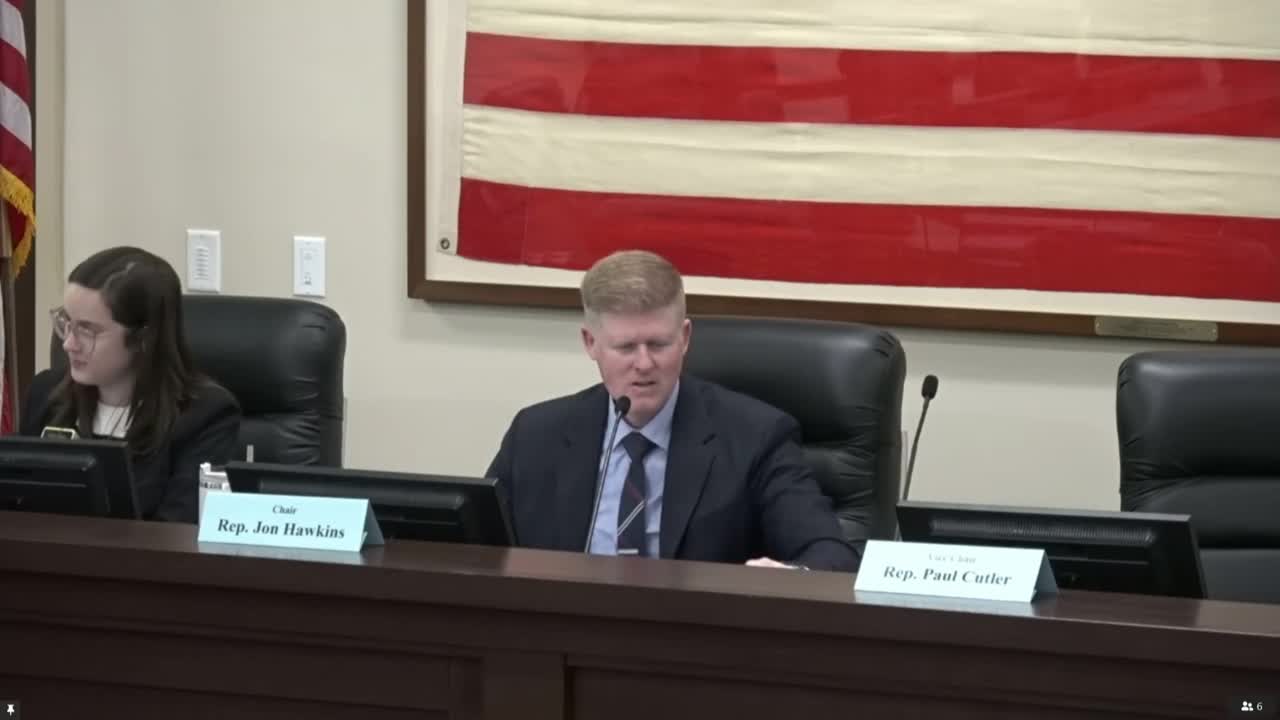
Representative Villafilla moved that the committee favorably recommend HB 194; the motion carried unanimously and sponsors asked that, given the unanimous support, the bill be placed on the consent calendar.
Supporters said the change aims to prevent hive destruction and protect food‑producing animals by enabling quicker, veterinarian‑supervised access to antibiotics under an established VCPR process.