Get Full Government Meeting Transcripts, Videos, & Alerts Forever!
Get email alerts on the Travel Insurance topic
No spam. Unsubscribe anytime.
Committee hears bill to adopt NAIC travel insurance model for Oregon
Summary
House Bill 2128 would standardize travel insurance rules in Oregon by adopting language aligned with the NAIC model act; proponents say the change improves consumer disclosures and creates uniform rules across states.
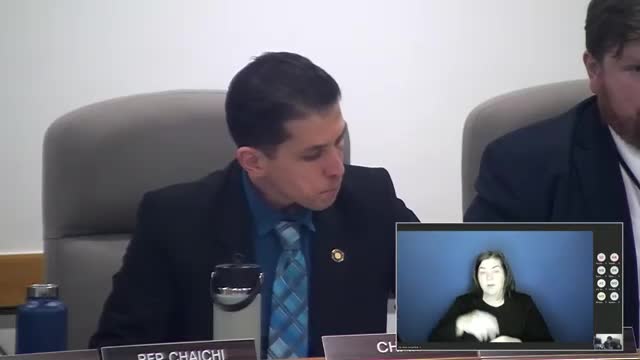
The House Committee on Commerce and Consumer Protection heard testimony on House Bill 2128 on Feb. 11, a bill to update and standardize travel insurance laws in Oregon by aligning state law with the National Association of Insurance Commissioners (NAIC) model act.
John Powell of the U.S. Travel Insurance Association told the committee the bill will codify consumer disclosures, create uniform definitions for travel insurance terms, and clarify permissible sales practices. "The aim of the bill in front of you is to deal specifically with travel insurance and to join the 37 other states up to this point that have adopted the NAIC ... travel insurance model act," Powell said. He noted travel insurance often accompanies cross‑border transactions and assistance services such as 24/7 helplines, making consistent standards desirable.
Denny Ritter of the American Property Casualty Insurance Association expressed support for HB 2128 as a way to bring Oregon into alignment with most other states and to distinguish insurance from non‑insurance travel assistance components. APCIA and other trade groups said they have been working with staff and expect a forthcoming amendment that will align the draft more closely with the NAIC model.
Committee staff said an amendment to the bill is expected after the 20th of the month to reflect further alignment with the model act. There were no votes taken; the committee closed the public hearing and moved to the next item.
Ending: Supporters said the measure is largely procedural and intended to provide consistent consumer protections and regulatory clarity; stakeholders signaled willingness to continue drafting amendments with staff.