Get Full Government Meeting Transcripts, Videos, & Alerts Forever!
Get email alerts on the Student Board Member Selection topic
No spam. Unsubscribe anytime.
Lynbrook students pitch detailed plan for new nonvoting student board member
Summary
AP government students presented a multi-step nomination and interview process to select a nonvoting high-school student representative; the board gave direction to refine the application and report back for formal approval before use.
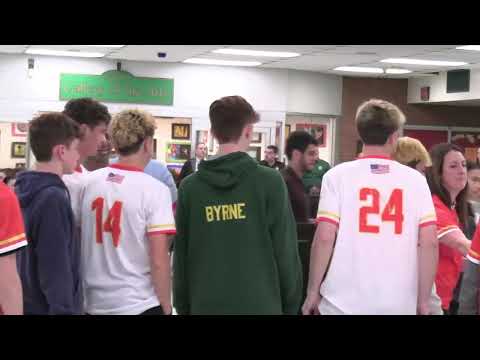
Students from Lynbrook High School asked the Lynbrook Union Free School District Board of Education on Dec. 11 to adopt a structured selection process for the new nonvoting student board member required by state law.
The student presenters — Cooper Shore, Chloe Romig, Kelsey Roth and Katie Gottlieb — told the board they recommend selecting a high-school junior through a four-step process: generate interest among sophomores, collect blind written applications (including a resume and written responses), have AP government students narrow submissions to five, hold interviews and then bring the top two or three candidates to the board for final interviews. The student team proposed an application window beginning in January with submissions due the first Monday after Feb. 28 and a selection completed by April or May so the incoming student can observe meetings before serving.
The students said a junior is preferable to a senior because juniors will likely remain engaged for the full year and can be mentored by the following year’s senior. They also emphasized safeguards against a popularity contest: blind review of written submissions by AP government students and an interview process designed to test immediate responses under pressure.
Superintendent Dr. Lynch and multiple trustees praised the proposal. Dr. Lynch said the board welcomed the initiative and asked the students to continue developing the application materials. Several trustees urged the student team to create a rubric or rating tool to increase objectivity, and one trustee said the board wants to review the final written application before the students distribute it to sophomores. Trustees discussed whether students or the board should make the ultimate appointment; the board did not settle that question and asked for the student committee to return with a refined plan.
The board signaled consensus that the student-led process may proceed but clarified two requirements: the board wants to see the completed application for approval before it is used, and the board will decide at a future meeting whether the final selection will be the board’s appointment from finalists or a student-body vote on finalists.
The student presenters said they would continue work over the winter break and keep the board updated.
The board took no formal vote on policy during the presentation; members instead gave direction to staff and the student group to complete the draft application and selection details ahead of a future meeting where the board will consider formal adoption.