Get Full Government Meeting Transcripts, Videos, & Alerts Forever!
Get email alerts on the Immigration Keep Washington Working topic
No spam. Unsubscribe anytime.
Spokane council affirms Keep Washington Working law after extended, sometimes heated public comment
Summary
The City Council passed a resolution reaffirming the city’s commitment to the state Keep Washington Working Act, drawing large, divided public turnout and extensive testimony both supporting and opposing the measure.
Spokane City Council voted to reaffirm the city’s commitment to the Keep Washington Working Act, a Washington state law that limits use of local resources for immigration enforcement and restricts certain cooperation with federal immigration authorities.
The resolution was advanced from the agenda‑review session earlier in the day and drew the largest public turnout recorded at the meeting. Council legal staff described the resolution as a nonbinding reaffirmation of existing state and local limits on local participation in federal immigration enforcement; it does not amend existing laws. The city attorney’s office told council the resolution does not change federal immigration law and stated the city’s current policies are compliant with state and federal law.
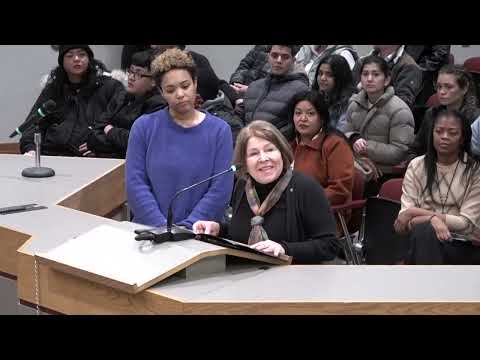
Public comment was lengthy and sharply split. Supporters — including Morton Alexander (Jewish Voice for Peace), Rebecca Gonchak, Jim Leedy (Citizen 926), Amy DeRas (Latinos in Spokane), Evie Polanski and others — urged the council to pass the measure to protect immigrant neighbors, maintain public‑safety trust, and provide access to services and legal defense. Many speakers connected the resolution to broader concerns about federal enforcement actions and described local fear among immigrant families.
Opponents — including Gretchen McDevitt, Mike Gleeson, Tony O’Neil, Will Hewings and others — argued the resolution was unnecessary (they said state law already governs cooperation) or would make Spokane a “sanctuary” jurisdiction that could risk federal funding and undermine enforcement of federal immigration laws. Some opposed the timing and the late addition of the item to the agenda.
Council discussion reflected those tensions. Council legal counsel reiterated the resolution’s limited legal effect and emphasized that “sanctuary” is not a legal term; councilmembers who supported the resolution said it was needed to reassure residents and to keep local resources focused on local public safety. Several councilmembers urged constituents to pressure state legislators to fix the federal/state policy mismatch or provide statutory exemptions in specific cases; one councilmember asked residents to contact local legislators about an exemption for the Waste‑to‑Energy facility (discussed elsewhere in the meeting).
Outcome: The council adopted the resolution after extended public testimony and council remarks. The meeting record shows the council adopted the resolution by voice vote.
Context and next steps: Supporters said the resolution will help preserve trust between immigrant communities and local agencies; opponents warned of legal and fiscal consequences. The city attorney’s office and council members recommended continued public education about rights and procedures, and several councilmembers said they will pursue legislative outreach and further community education to clarify local policy and residents’ rights.