Get Full Government Meeting Transcripts, Videos, & Alerts Forever!
Get email alerts on the Wildlife Management topic
No spam. Unsubscribe anytime.
Senate committee hears hours of public testimony on bill to let counties opt out of Oregon ban on using dogs to hunt cougars
Summary
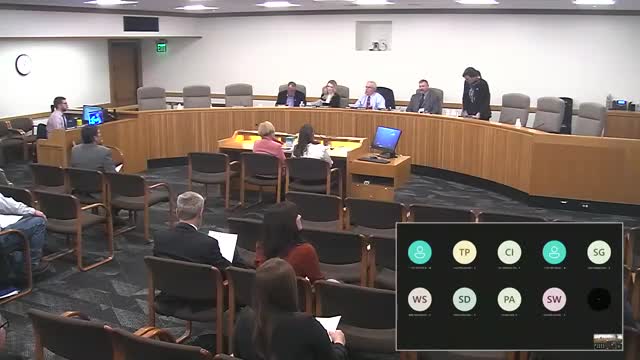
Chair Golden opened a public hearing on Feb. 11, 2025, for Senate Bill 769, which would allow counties to be exempt from Oregon’s statewide ban on using dogs to hunt cougars if local voters or county governing bodies approve an exemption and notify the Oregon Department of Fish and Wildlife.
Chair Golden opened a public hearing on Feb. 11, 2025, for Senate Bill 769, a proposal that would allow counties to be exempt from Oregon’s 1994 ban on using dogs to pursue cougars if the county’s voters or governing body approve an exemption and notify the Oregon Department of Fish and Wildlife (ODFW).
The bill drew extended testimony from more than 50 signups and a mix of hunters, county officials, wildlife and animal-welfare advocates. Supporters said local control and hound hunting are needed to address steep declines in mule deer and other ungulates; opponents said Measure 18 and subsequent public opinion reject hound hunting as cruel, and they cited scientific studies and ODFW management plans that, they said, do not support expanding hound hunting.
“The people that live in these impacted communities [should have] the opportunity to determine what is best for their county,” Union County Commissioner Paul Andres told the committee, urging local choice. Amy Patrick, policy director of the Oregon Hunters Association, said ODFW’s own presentation estimated a statewide cougar population of 7,040 in September 2024 and argued the ban removed an important management tool. “Hunting with the use of hounds is a tool that wildlife managers can use to reduce cougar predation on ungulate populations,” Patrick said.
Opponents countered that hound hunting is unsporting and can worsen conflicts. Brian Posowitz of Humane Voters Oregon told the panel, “We oppose this bill because it would allow individual counties to resume the cruel and unsporting practice of chasing cougars with packs of dogs and then shooting them at very close range.” Several witnesses, including wildlife researchers and the Humane Society of the United States’ Oregon program manager Story Warren, cited studies and the Oregon Cougar Management Plan to say removing adult cougars can destabilize social structure and increase livestock and human conflicts.
Several county elected officials and the Association of Oregon Counties testified in support. Wallowa County Commissioner Lisa Collier told the committee that rural counties often feel “unheard” and asked legislators to “help us return this decision to the people that it affects most.” The Association of Oregon Counties’ Brandon Persinger noted cougar sightings in city limits in recent years and said SB 769 would add a tool for counties addressing public-safety risks in the wildland-urban interface.
Committee staff summarized the bill for the record and said an exempt county would still be subject to ODFW management: an exemption would not limit the state Fish and Wildlife Commission’s authority to set tags, seasons and control measures. Chair Golden and Vice Chair Senator Todd Nash emphasized the hearing’s purpose as a forum to hear divided public views and to give counties a voice on a contentious rural–urban issue.
No committee action or vote was taken at the hearing. Chair Golden invited written testimony and said the committee would accept written comments in the 48 hours after the hearing. The public hearing then closed.
The hearing included roughly 57 people on the list to testify, a mix of in-person and remote witnesses. Testimony ranged from personal accounts of livestock depredation and local deer declines to references to past ballot measures and polling showing persistent public opposition to trophy-style hound hunts.
Looking ahead, the bill’s future would depend on legislative scheduling and committee action; at the hearing the committee did not take a formal vote or amendment and directed staff to accept additional written testimony.