Get Full Government Meeting Transcripts, Videos, & Alerts Forever!
Get email alerts on the Social Services 211 topic
No spam. Unsubscribe anytime.
Connecting Point (2-1-1) reports nearly 25,000 calls in first half of fiscal year; housing supports remain top unmet need
Summary
On 2-1-1 Day the county heard a district-level data briefing: from July–December 2024 Connecting Point logged 24,747 calls and 32,348 resource referrals; housing-related requests and lack of local shelter capacity were the top unmet needs across districts.
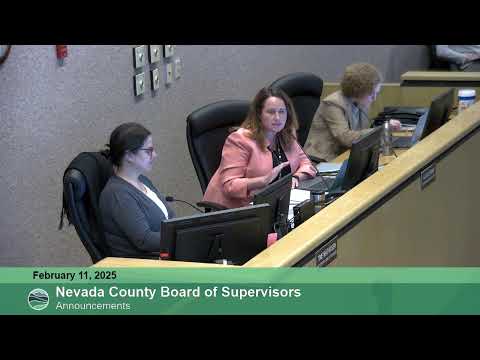
Connecting Point — the county’s 2‑1‑1 information and referral service — presented its mid‑fiscal‑year report to the board on Feb. 11, highlighting service volume, top needs by district and patterns in unmet demand.
Key figures: County staff said fiscal-year-to-date call volume (July 1–Dec. 31, 2024) was 24,747 calls; resources referred totaled 32,348; average call length was 7 minutes, 39 seconds; average wait time was 1 minute, 40 seconds. Connecting Point noted an abandoned-call rate of approximately 10%, below the industry standard (12–13%).
Top needs and unmet demand: Housing and homeless shelter requests were the top needs across the county. The presentation showed unmet-need categories included caller refusal of referrals (largest share), client ineligibility for certain programs, and “no program found” for specific needs. District-specific unmet needs highlighted where local services and transportation barriers reduce access to resources: - District 1: Homeless shelter, motel vouchers, at-risk housing-related assistance. - District 2: Section 8 voucher requests, utility payment assistance, homeless shelter. - District 3: Homeless shelter, motel vouchers, gas vouchers. - District 4: Smoking/vaping cessation (survey/referral artifact), rental payment assistance. - District 5: Rental payment assistance and homelessness prevention programs; notable needs from immigrant and Spanish-speaking residents for document assistance.
Disaster-related needs: Connecting Point described distinct patterns for winter storms and summer fires: winter needs included snow removal, hotel discounts, backup power and propane; summer needs emphasized transportation to evacuation points and cooling shelters. The presenter concluded that the county appears more prepared for wildfire than for winter-storm events.
Why it matters: The data provides district-level evidence for where county and nonprofit partners should prioritize shelter capacity, transportation for referrals, winter disaster preparation and language-access services.
What the board said: Supervisors thanked Connecting Point for district breakdowns and noted the high penetration of 2‑1‑1 usage: the presenter said Nevada County’s 2‑1‑1 has one of the highest per-capita call rates in California.
Ending: Connecting Point offered to provide further district-level or demographic breakdowns on request and invited board members to request deeper dives for planning or program targeting.