Get Full Government Meeting Transcripts, Videos, & Alerts Forever!
Get email alerts on the Youth Programs Chain Reaction topic
No spam. Unsubscribe anytime.
Chain Reaction tells Escambia Children's Trust its after-school program boosts high-school students' confidence and college/trade enrollment
Summary
Chain Reaction staff and Pensacola High School students described a 14-month program that staff say has improved student confidence, college and trade-school applications and basic academic engagement; the trust viewed a video and heard students speak in person.
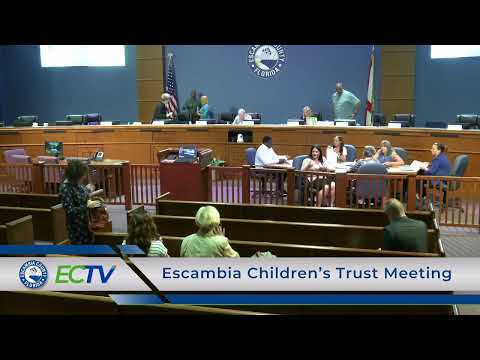
Kristen Fairchild, founder and executive director of Chain Reaction, and a group of Pensacola High School students presented the group’s after-school program to the Escambia Children’s Trust board on March 1, describing classroom activities, community service projects and early academic gains.
Fairchild told the board she has run the program at three sites, including a location that opened in January, and said the organization has worked at Pensacola High School for about 14 months. "It's magic," she said of the transformation she described in students.
Why it matters: board members and staff said Chain Reaction fills a gap in programs for older youth and showed how direct programming can raise engagement and create pathways into college, trade school and paid internships. Several board members praised the students for speaking publicly and encouraged them to apply for additional opportunities, including a local summer employment program.
Program details presented and discussed included: Chain Reaction operates three sites; its largest program at Pensacola High School serves about 67 students; the group produces service projects for younger students at CA Wise Elementary; staff said the program helped students enroll at Pensacola State College and at trade schools and converted some participants into interns for the program. Fairchild said launching the new site and adapting the curriculum to schools was "unbelievably difficult and unbelievably rewarding."
Students who appeared and spoke described concrete changes. Senior Keontae Williams said participation helped him enroll at PSC and apply to trade school: "Without them, I probably, like, [wouldn't have met the] PSC deadline," he said. Another student said Chain Reaction "helped me by, like, make me feel welcome" and that it created space to ask teachers for help; a third who joined after struggling in math said the program helped lift a GPA from about a 1.0 to above 2.0 over time.
Board members and staff highlighted the program's workforce development element: presenters said several seniors have completed applications for PSC and other postsecondary options and that some participants now serve as interns and peer leaders at Chain Reaction.
The presentation included a video of student work and interviews. Several trustees thanked the students and staff and suggested modest gestures of appreciation; one trustee said the board should consider a budget amendment to provide a special meal if the board approved. Staff and several trustees encouraged the young people to apply for the trust’s summer employment opportunities.
Ending note: staff said Chain Reaction’s work demonstrates the trust’s role beyond grants—helping programs reach older youth less often targeted by traditional youth services—and the presentation will inform program and funding discussions during upcoming grant cycles.