Get Full Government Meeting Transcripts, Videos, & Alerts Forever!
Get email alerts on the Senior Tax Credit topic
No spam. Unsubscribe anytime.
Committee lays over bill to create $1,000 tax credit for seniors, disabled and some veterans and first responders
Summary
Senate Bill 303 would provide a $1,000 income tax credit for Oklahomans aged 65 and over and certain disabled residents who meet HUD median-income limits, extend eligibility to 75% disabled veterans and qualifying first responders; the committee laid the bill over for appropriations and further data on eligible populations and fiscal impact.
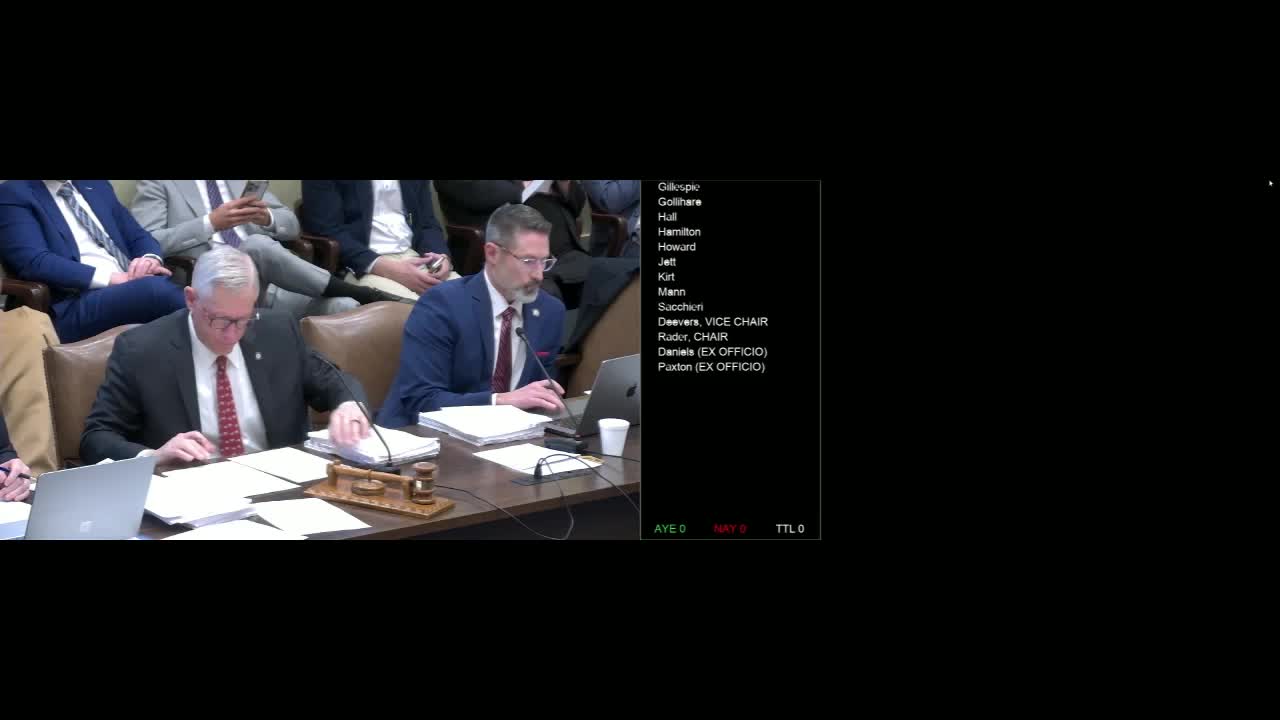
Senator Kelly Stanley, author of Senate Bill 303, described the measure to the Senate Revenue and Taxation Committee as a targeted income tax credit intended to help older and disabled Oklahomans stay in their homes.
The bill would allow Oklahomans age 65 or older and disabled residents who meet a median-income requirement determined by the Department of Housing and Urban Development (HUD) to claim a $1,000 credit on their state income tax return. The measure would also extend the credit to veterans with 75% service-connected disability ratings and to first responders (police, firefighters, troopers, OSBI agents, game wardens) who meet disability eligibility under their pension systems.
Why the committee laid it over
Members pressed the author on several fiscal and eligibility details. Senator Kurt asked how the property-tax references in the bill relate to an income-tax credit; Senator Stanley replied the credit would offset costs taxpayers face, including property tax burdens, though the bill itself creates an income-tax credit.
Multiple members sought numbers on how many Oklahomans would qualify under the HUD median-family-income metric (county-by-county), and whether raising the current hard-coded $12,000 threshold to a HUD-based metric would expand eligibility broadly. Senator Hamilton pressed the author on whether some counties’ 75% HUD thresholds could result in household income cutoffs of $75,000–$100,000 — potentially expanding eligibility more than intended. Senator Stanley said he did not have an immediate estimate and requested a fiscal note from appropriations.
The committee also agreed to strike the bill title for technical clarification. Senator Stanley acknowledged the measure will need to go to appropriations because of its potential fiscal impact.
Outcome and next steps
The committee recorded no final passage vote; the bill was laid over in the possession of the chair for further fiscal analysis and appropriations consideration.
Provenance
Topic introduced: presentation and explanation of SB 303 by Senator Stanley (committee transcript lines beginning ~2048). Topic last recorded: committee action to lay the bill over (lines ~2859–2892).
Speakers (at committee session)
- Senator Kelly Stanley — Sponsor/author (Oklahoma state senator) - Senator Kurt — Committee member (asked about eligibility and rental vs. ownership impacts) - Senator Hamilton — Committee member (asked about income cutoff implications) - Senator Howard — Committee member (asked about veterans and first-responder coverage) - Larry Stein — Oklahoma County Assessor (answered why HUD median family income is used)
Clarifying details
- Income eligibility: HUD median family income (county-adjusted) — committee requested exact county ranges and the number of likely eligible households (not specified in committee). - Credit amount: up to $1,000 per qualifying taxpayer (bill language indicates credit is "up to $1,000"). - Scope: applies when taxpayers file their state income tax returns; does not itself change property tax law.
Searchable tags: ["senior_credit","HUD_median_income","veteran_credit","first_responders","appropriations"]
Ending
Committee members asked the author to obtain a fiscal estimate (number of likely claimants and estimated revenue impact) before the bill can be scheduled for further committee or floor action.