Get Full Government Meeting Transcripts, Videos, & Alerts Forever!
Get email alerts on the Transportation topic
No spam. Unsubscribe anytime.
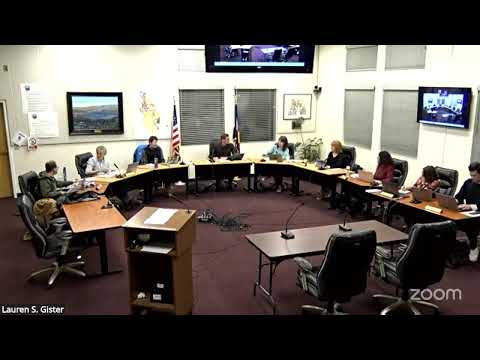
Trustees adopt Carbondale Mobility and Access Plan after consultant briefing; board asks staff, commissions to prioritize implementation
Summary
The Board of Trustees unanimously adopted the Carbondale Mobility and Access Plan (MAP Carbondale), a multimodal strategy that lists roughly 60–70 project recommendations, a multimodal toolbox and tactical pilot corridors; trustees and commission members urged a Complete Streets policy and an implementation pathway.
The Carbondale Board of Trustees voted unanimously to adopt the Carbondale Mobility and Access Plan (MAP Carbondale), a multi-year multimodal strategy prepared by consultants and staff that outlines a “toolbox” of street treatments, about 60–70 project-level recommendations, tactical urbanism pilot corridors and an action plan for implementation.
Matthew, a transportation planner with consulting firm Felsberg, Holton and Laveau, presented the plan and emphasized its hybrid purpose: “The intent of this was to really focus on mobility in Carbondale, specifically local mobility, and identify what are the issues people are having getting around Carbondale today and or may have in the future and what are some opportunities to proactively improve transportation, and better integrate it with land use.” He told trustees the plan is intended to be updated periodically and used to position the town for external funding.
The plan includes three core deliverables: (1) a multimodal toolbox describing treatments such as raised crosswalks, bike lanes, traffic-calming measures and intersection improvements; (2) a network-level project list with prioritized time frames (0–5, 5–10, 10+ years) and ease-of-implementation ratings; and (3) programmatic and policy actions designed to help the town prioritize and fund projects over time. Consultants recommended two tactical-urbanism pilot corridors — Hendrick Drive and the southern portion of Eighth Street — for temporary treatments and before/after evaluation.
Trustees and commission members pressed for clarity about next steps after adoption. Bike-and-ped-trails commissioners asked for a stronger implementation roadmap, clearer criteria for prioritizing projects and the adoption of a Complete Streets policy to embed multimodal priorities into development review and funding decisions. Bike-and-ped-trails chair Matt Gorrick (commission) said the commission wants an implementation pathway that links near-term projects to long-term vision and developer review processes.
Trustees discussed cost estimates and data-collection capability. Trustee Jess asked whether the project cost table (in the plan’s funding section) needed refinement; consultants and staff agreed to revisit and update those unit-cost estimates before public release. Staff noted the town already has basic speed and traffic-count tools but said accurate pedestrian and bicycle counts require additional equipment for before/after evaluations; staff said they will research options for pedestrian/bike counting technology.
The plan’s appendices include the Highway 133 study prepared by a separate Age Friendly Carbondale effort; staff said there is strong alignment between the two products even where recommendations differ in detail. Trustees asked that letters and recommendations from the Bike, Ped & Trails Commission and Planning and Zoning Commission be included in the plan’s public-comment appendix; staff agreed.
Trustee Collins moved to adopt Resolution No. 1, Series of 2025, approving MAP Carbondale; Trustee Erica seconded. The motion passed unanimously. Staff and commissioners outlined the immediate next steps: (1) include commission letters in the plan appendices, (2) correct typos and refine cost estimates, (3) identify a short list of high-priority projects for near-term implementation and funding, and (4) draft a Complete Streets policy for board consideration so development review and grant-seeking reflect the plan’s multimodal priorities.
Consultants recommended annual refreshes of the project and action lists and a more comprehensive update every three years to reflect changing technology, funding opportunities and community priorities.