Get Full Government Meeting Transcripts, Videos, & Alerts Forever!
Get email alerts on the Criminal Justice Breathalyzer topic
No spam. Unsubscribe anytime.
Attorney urges appeals court to vacate OUI plea, citing Hallinan breathalyzer rule
Summary
In Commonwealth v. Melvin, defense counsel asked the Appeals Court to overturn a trial judge’s denial of a motion to vacate a guilty plea based on an allegedly invalid breathalyzer reading and related prosecutorial shortcuts; the Commonwealth urged deference to the motion judge and emphasized factual differences from Hallinan.
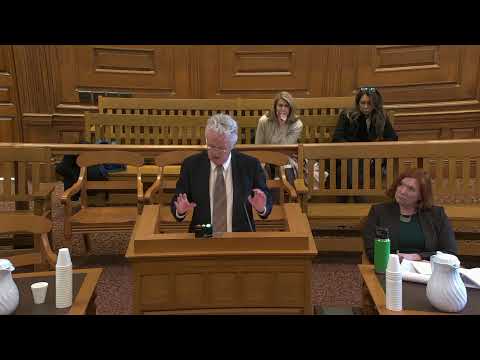
Panel Chief Vicki Henry and a three-judge panel heard argument in Commonwealth v. Melvin on a motion to vacate a guilty plea under Mass. R. Crim. P. 30 and the Supreme Judicial Court’s Hallinan line of cases.
Defense counsel Scott Bridal told the panel that Raymond Melvin pleaded guilty swiftly after a 0.15 BAC reading from a breathalyzer and that the reading operated as a “crown jewel” inducing the plea. “Because of the 0.15, the commonwealth … was expecting that he would enter a guilty plea,” Bridal argued, and that the high reading curtailed investigation into other evidence, including paint on Melvin’s bumper and possible video showing his vehicle at a McDonald’s drive-thru.
Bridal pressed that, without the breathalyzer reading, Melvin — who is 49 and reported arthritis and asthma in the police report — would have had plausible defenses on field sobriety testing and other factual gaps. He cited Hallinan and related authority and urged the court to apply the Scott/Ferreira framework for assessing whether government misconduct created a reasonable probability that the defendant would not have admitted sufficient facts.
Judge Smith and the panel repeatedly questioned whether Melvin’s motion met Hallinan’s threshold elements, focusing on the content of Melvin’s affidavit. Judge Smith noted Defense did not definitively state Melvin would have gone to trial absent the breathalyzer result: “You actually have to say there’s a reasonable probability that I would not have pleaded guilty,” he said. The panel asked whether the defendant’s affidavit and the absence of an affidavit from plea counsel were fatal to the claim.
The Commonwealth, through Matthew Patilano, answered that Hallinan requires a showing beyond general regret: if the record lacks an affidavit from plea counsel or other corroborating evidence that trial counsel would have recommended trial, the motion judge’s denial can stand. Patilano told the court that credibility determinations made by the motion judge — including the judge’s implicit finding that the defendant’s affidavit was not sufficiently credible — are entitled to deference on appeal.
Both sides acknowledged factual intensity: the defense argued the case was factually comparable to Hallinan and urged reversal; the Commonwealth emphasized differences, earlier case law (including Dwyer) and the judge’s findings on credibility. The panel pressed counsel on practical issues such as the possibility of videotape evidence that was not investigated and the temporal window in which such evidence could be located.
The panel heard argument that the defendant received a common first-offense disposition under G.L. c. 90, § 24D (a continuance without a finding and a license suspension range), which counsel discussed when weighing whether a defendant would choose trial over a plea. The court took the arguments under advisement after extended questioning.