Get Full Government Meeting Transcripts, Videos, & Alerts Forever!
Get email alerts on the Sidewalks topic
No spam. Unsubscribe anytime.
Oroville council backs exploring federal, state grants to build sidewalks in Southside
Summary
Councilmembers and residents urged the city to pursue federal and state active-transportation grants and short-term engineering work to fill missing sidewalk segments on Burlington and Spencer streets; staff were given consensus direction to develop cost estimates and pursue grant opportunities.
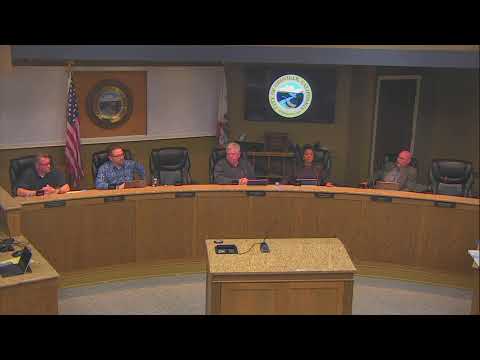
Councilmembers on Feb. 4 signaled support for exploring grant and engineering options to install continuous sidewalks along Burlington and Spencer streets in the Southside neighborhood, after a presentation and several public comments describing safety risks for children and residents.
The proposal, presented to the City Council as the “Southside Sidewalk Initiative,” described Burlington and Spencer streets as “main thoroughfares” used by children walking to nearby schools and by residents who lack other transportation. The presenter said the project fits eligibility criteria for active-transportation grants and other federal and state programs; she asked city staff to pursue potential funding and preliminary engineering to strengthen applications.
Why it matters: Speakers said gaps in the sidewalk network force children, parents and people using wheelchairs into vehicle lanes during wet weather and heavy traffic. Several residents and community leaders told the council the problem has persisted for years and urged a phased approach combining short-term safety measures with a long-term engineering plan.
Details: Resident Levi Niss, who described himself as a lifelong Southside resident, recounted walking his daughter to Wyandotte Avenue School and said winter puddling and the lack of sidewalks forced pedestrians into travel lanes. “We would be forced off the road into those puddles,” Niss said. “Some of them really young.” Pastor David Goodson said a multi-year, phased plan should be mapped so work does not stall: “If you’re going to go after the monies and you do it in stages, map out the whole project so that, you know, so that it’s not a 25-year thing.”
During the presentation staff and council referenced several funding avenues that staff said they would investigate further, including CDBG-funded drainage work, the state Active Transportation Infrastructure Program (ATIP/ATIIP), possible federal community project funding or earmarks, and Rule 28 credits for stormwater projects. The presenter and staff also said a short, rough engineering cost estimate (they suggested an approximate ballpark of $20,000) would help position the city for competitive grants and for any federal congressional request.
Council reaction and next steps: Councilmembers Eric Thompson and others voiced support. Representative for U.S. Rep. Doug LaMalfa’s office, Terry DeBose, offered the congressman’s support and said staff could provide letters of support for federal applications. Mayor Pittman and other councilmembers expressed general consensus to move ahead; the mayor said staff should proceed to identify funding sources and draft next steps. Council did not take a formal vote on a funding or construction commitment; instead staff were directed by consensus to prepare grant applications, pursue preliminary engineering cost estimates and return with recommendations for council consideration.
The council also discussed short-term, lower-cost traffic or design changes (for example, one-way conversions or temporary walking routes) as interim measures while pursuing larger grants and engineering work. The presenter said the grant submission deadline for at least one active-transportation grant the city was considering was in June, and called for expedited staff work to meet that timeline.
Ending: Staff indicated they will investigate engineering and funding options, coordinate with regional partners and federal/state lobbyists the council has retained, and return to the council with cost estimates and a recommended grant strategy.