Get Full Government Meeting Transcripts, Videos, & Alerts Forever!
Get email alerts on the Liquor Licenses topic
No spam. Unsubscribe anytime.
Council approves retail, bar-and-grill and microbrewery liquor groupings after public hearing on late filings
Summary
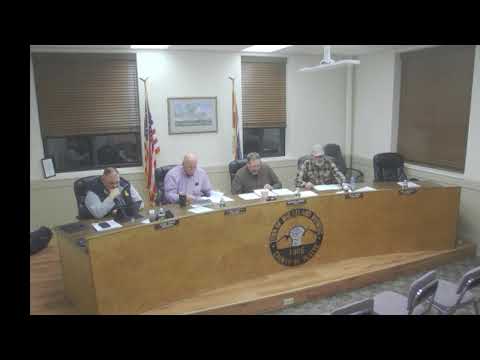
Wheatland City Council approved three liquor-license grouping motions after a public hearing that included a business owner’s request for leniency over late sales-tax filings; council members cited state agency communications and procedural safeguards.
A business owner told the Wheatland City Council she had not filed sales tax regularly because she worked another job and asked the council for leniency as she added staff to help her meet future deadlines.
Council members and staff discussed the timing of state agency communications about the owner’s license status. “This was emailed to me on February 4,” a staff member said, and staff reported the liquor division later “released her.” Council members said the delay may have been a communication lag between the state sales-tax division and the liquor division, with one member noting a weekend fell between the dates cited.
After the public hearing portion of the meeting the council moved to approve a package of retail liquor licenses for multiple businesses. A council member moved to approve retail liquor licenses for Landmark Bar, Vimbos Restaurant Bar, Commodore Bar, I 25 Liquor, Safeway, Thrifty Foods, Big Dogs Lane Lanes and Guadalajara; the motion was seconded and carried on a voice vote. The council then approved a bar-and-grill grouping including Windy Peaks Brewery and Steakhouse and Skipper’s Lounge, and later approved a microbrewery grouping for Windy Peaks Brewery and Steakhouse; both motions carried on voice votes.
Council and staff said they would follow up on the specific delinquency and on processes to ensure mail and electronic notices reach licensees. Staff discussed using express bill-pay email notifications and adding administrative policy language about delinquent-call procedures so there is not a single point of failure when a customer does not receive paper mail. One council member said, “We can do a written policy on the calls, on the delinquent calls, on the shutoff calls.”
The council closed the public hearing and reconvened its regular meeting after the votes. No roll-call vote totals were read into the record; the minutes reflect the motions were moved, seconded and carried by voice vote.