Get Full Government Meeting Transcripts, Videos, & Alerts Forever!
Get email alerts on the Municipal Finance topic
No spam. Unsubscribe anytime.
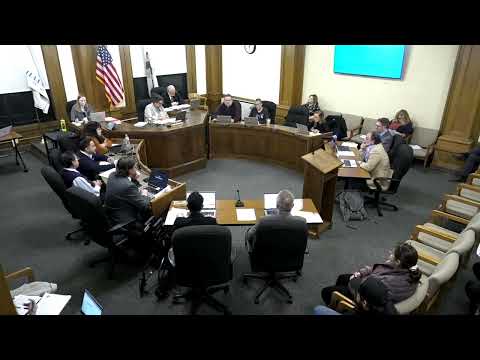
Moline council approves municipal grocery tax to offset state cut
Summary
The Moline City Council voted to adopt municipal grocery retailers and service occupation taxes after staff presented modeling that a 1% state reduction could cost the city roughly $1 million and reduce the general fund toward historic minimums.
The Moline City Council approved an ordinance to implement a municipal grocery retailers occupation tax and a municipal grocery service occupation tax after staff said a state-directed 1% reduction in grocery-related sales tax would materially reduce the city's general fund balance.
City staff presented modeling showing a projected loss “we used best information we had available and made the assumption that it would be a million dollar loss, it may be greater,” said Bob Vitas, city staff, describing how the Finance group modeled the potential shortfall and the limits of Department of Revenue data. The presentation said the reduction was built into the current-year and multi-year budgeting model and that, under the scenario used, the general fund balance could fall below the city's historic target range of roughly 20–25 percent by fiscal 2028.
The nut graf: Council members debated whether the city should assume responsibility for the revenue after the state-directed reduction. Alderman Schmidt said he has resisted renewing the grocery tax in the past but cited “the absolute chaos coming out of the federal government” and current threats to municipal funding as reasons to approve the measure. Alderman Timmian said he opposed regressive taxes but called the $1 million estimate conservative given local grocery sales and supported the ordinance to protect already-budgeted services.
Motion and vote details: Alderman Schmidt moved to approve the ordinance; Alderman Timmian seconded. After discussion the council voted in favor and the motion passed.
Council members emphasized the limited precision of the revenue estimate. Vitas told the council that the Department of Revenue could not provide a specific dollar figure and staff used the best available data; council discussion repeatedly referred to the $1 million number as an estimate that could be higher.
The council did not identify specific spending reductions tied to the change; staff framed the ordinance as a step to preserve a “healthy fund balance” and to avoid cuts to ongoing operations. No amendment or additional funding direction was adopted during the vote.
Looking ahead, staff will incorporate the ordinance into upcoming budget documents and multi-year financial planning; council members said they expect continued discussion of alternatives in the future.