Get Full Government Meeting Transcripts, Videos, & Alerts Forever!
Get email alerts on the Education topic
No spam. Unsubscribe anytime.
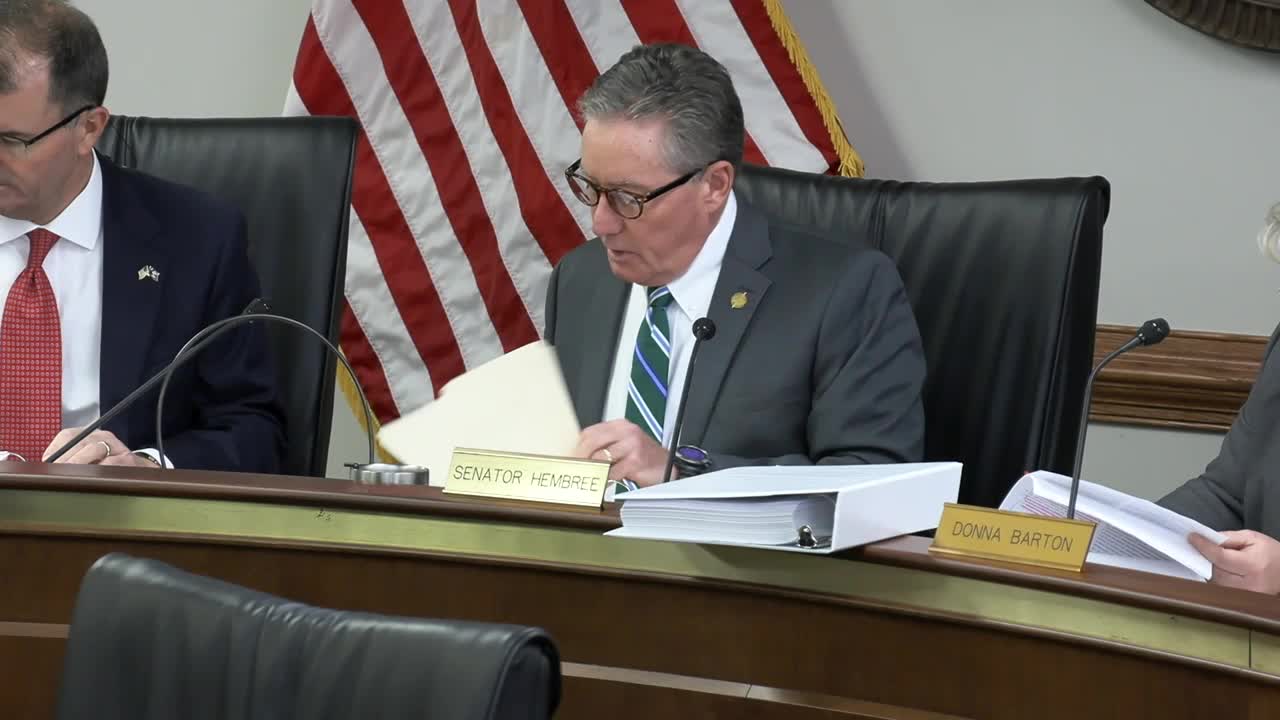
Senate education subcommittee debates lottery-funded education scholarship (SB62); no vote taken
Summary
A South Carolina Senate Education Committee subcommittee discussed Senate Bill 62, which would create a lottery-funded education scholarship allowing families to use state lottery money for private K–12 education. Lawmakers debated constitutionality, income caps, fiscal impact and implementation timing; no vote or public testimony was taken.
A subcommittee of the South Carolina Senate Education Committee on Senate Bill 62 met to discuss a proposed education scholarship that would use lottery revenues to help families pay for private K–12 schooling. The subcommittee did not take public testimony or vote on the bill at the meeting.
The bill would create an education scholarship fund paid from lottery proceeds that, if fully used, the bill’s fiscal materials estimate could cost up to about $131,000,000 at the statutory maximum enrollment. The proposal sets a maximum enrollment of 15,000 students and ties the scholarship amount to the state’s per-pupil funding level; proponents say the cap and the per-pupil peg set upper limits on the program’s cost.
Why it matters: The proposal raises constitutional and fiscal questions that lawmakers said will determine how the state proceeds. Opponents argued the scholarship would use public money for private education in ways the state constitution has previously restricted; supporters pointed to past court opinions that have drawn a legal distinction for some lottery-funded programs.
Senator from Orangeburg expressed constitutional concerns, saying, “we supposedly live under the constitution of the state of South Carolina, which says that no public funds will be spent for private education. And if there's a desire to change that, let's do the right thing and put it to the voters.” The chair of the subcommittee countered that the state Supreme Court has drawn distinctions between general fund spending and some lottery-funded programs, and said he believes the court “has told us it's gonna be constitutional” under certain designs discussed earlier.
Lawmakers debated who the program would serve and how enrollment would be phased. The bill as discussed would phase eligibility by income and begin with a lower eligibility threshold before increasing in later years; speakers referenced tiers expressed in earlier drafts (for example, 200%, 300% and 400% of the federal poverty level in prior versions) and a possible ultimate cap discussed in the meeting that could reach 600% of poverty. The chair said the proposal under discussion initially would phase in eligibility and that the statute sets the maximum at 15,000 students.
Several members pressed implementation and timing questions. Lawmakers and staff noted the scholarship application process is expected to begin months before the school year and that payments to private schools are typically made in installments rather than a single upfront payment. Members asked how school districts would respond to last-minute enrollment shifts and the lag in public-school funding counts; staff explained districts typically receive an initial allocation based on earlier counts and adjustments occur later in the funding cycle.
On fiscal mechanics, the chair summarized the bill’s approach: scholarship awards would be limited to the per-pupil amount the state distributes to K–12 public education (discussed in the meeting as roughly an $8,500-per-pupil state share), and that figure would be used to calculate maximum scholarship costs. The chair also pointed committee members to a staff report cited in the meeting that shows an average total per-pupil expenditure figure ($18,842) for context and said members should review the spreadsheets in the fiscal materials to see how lottery revenues are currently allocated among existing programs such as the Palmetto, LIFE and HOPE scholarship programs and SC WINS.
Members raised policy concerns about program scope and potential uses of scholarship funds. One lawmaker asked whether recipients who already pay private-school tuition could receive state funds and then use their own money for other services (tutors, camps, athletics), noting the bill’s design could allow families with existing private-school arrangements to receive scholarship dollars. The chair acknowledged that allocation rules and eligible expenses would be an important implementation detail for the committee to refine.
The committee also discussed targeting and priorities. Several members proposed giving priority access to lower-income applicants and staging enrollment so that the most economically vulnerable families get earlier access to slots. The chair noted the current draft includes provisions giving continuing priority to students already enrolled in the scholarship in earlier years, which could affect how quickly higher-income applicants participate if lower-income students retain slots.
Procedural and transparency steps: committee leadership said they will not take a vote in the subcommittee at this meeting, will not take public testimony in this session, and plan to post existing public testimony available to the five-member subcommittee on the committee website so it is publicly accessible. The bill is expected to be taken up in the first week of the legislative session on the Senate floor, according to the chair’s remarks.
The subcommittee did not reach a final position; members said they expect amendments and further debate, including changes to eligibility thresholds and other technical and implementation details. Several members emphasized that the bill is likely to face a legal challenge if enacted and that the constitutional issues and fiscal tradeoffs will drive amendments and future floor debate.
Ending: With no votes taken, the subcommittee adjourned and members planned further discussion at a later committee meeting. The chair asked staff to make written materials and fiscal spreadsheets available to members online.